Category: Business

  • WooCommerce vs Shopify: Best E-Commerce Pick?

    WooCommerce vs Shopify: Best E-Commerce Pick?

    E-commerce comparison: WooCommerce versus Shopify graphic.

    When asked about the ideal eCommerce platform for online stores, the debate of WooCommerce vs Shopify often takes center stage. As a seasoned eCommerce developer, I have witnessed firsthand how choosing the right platform can significantly influence the success of an online business. You must assess user-friendliness, feature set, cost implications, user experience, and customer support. With their ardent followers, WooCommerce and Shopify have carved out substantial niches for themselves, reflecting the complexities and varied needs of millions of global users and their successful billion-dollar revenue streams.

    When advising my clients on their choice, I often distinguish between prioritizing a straightforward shopping cart system or a highly customizable website. Shopify is a buy-my-product forward approach to a website design and doesn’t offer the deep customization you can create with WordPress Woocommerce. Shopify leans towards a straightforward, product-focused website design with limited customization options compared to what’s achievable with WordPress WooCommerce. Although Shopify is beginning to embrace more third-party design tools, it still lags behind the extensive range of third-party add-ons available for WooCommerce, which offers richer customization possibilities.

    Streamlining the debate, both platforms proffer distinct experiences despite sharing some standard features. Shopify shines with its quick setup and superior customer support, while WooCommerce is widely acknowledged for its unrivaled customizability and SEO prowess. However, it’s also clear that WooCommerce demands more technical savvy. I aim to empower small business owners and entrepreneurs to make informed choices, aligning their online business objectives with the most fitting eCommerce system.

    Key Takeaways

    • Assessing both platforms’ user-friendliness is crucial in the WooCommerce vs Shopify debate.
    • Understanding the cost structures of WooCommerce and Shopify informs long-term financial planning for an online store’s budgeting needs.
    • Considering the technical proficiency required for WooCommerce instead of Shopify’s ease of use provides a clear perspective on their fit for different entrepreneurs.
    • Evaluating Shopify’s comprehensive customer support helps gauge the level of assistance an online store owner might need.
    • Reflecting on WooCommerce’s customizability and advantageous SEO capabilities outlines the potential for a unique and optimized online presence.
    • Acknowledging each platform’s global user base and revenue generation offers insight into their proven track records of success.

    Introduction to WooCommerce and Shopify

    When establishing an online store, WooCommerce or Shopify often enters the discussion as top contenders in the eCommerce space. I want you to know that choosing between WooCommerce and Shopify requires a good understanding of what each platform offers and how it aligns with your business objectives. As I go into their features, it’s clear that the decision isn’t black and white; it depends on various factors, including technical know-how, customization needs, and desired user experiences.

    WooCommerce, the robust plugin designed for WordPress, gives users significant creative control – a dream for professionals with development knowledge. Its open-source nature encourages a more hands-on approach, allowing businesses to craft a unique online presence. Meanwhile, Shopify is celebrated for its user-friendly platform that simplifies technical hurdles, providing everything you need in one place to get your shop up and running, making it highly appealing to those without a web development background.

    Determining which is better – WooCommerce or Shopify revolves around the users’ specific needs and the kind of online store they intend to build. Whether you prioritize complete design freedom or ease of use for a quick market entry, both platforms support your eCommerce goals.

    • For tech-savvy users who prefer to have detailed control over every aspect of their website, WooCommerce provides the flexibility that might be critical to success.
    • On the other hand, Shopify might be the better choice for entrepreneurs seeking to minimize the complexity and time invested in setting up their stores.

    Ultimately, my journey in choosing between WooCommerce and Shopify is a decision that weighs individual preferences for control and customization versus convenience and streamlined functionality. As we further explore their distinct features, we can see why each has attracted such a dedicated user base in their own right.

    Understanding the Basics: What WooCommerce and Shopify Offer

    As an e-commerce entrepreneur, choosing the right platform is a critical decision that can significantly impact your online business’s success. Two giants dominate the landscape, WooCommerce and Shopify, each with impressive features tailored to various business needs. In this section, we’ll explore the WooCommerce pros and cons and the Shopify advantages and disadvantages to help you make an informed decision.

    A comparison of WooCommerce and Shopify reveals that both platforms are equipped with distinctive features. My analysis will delve into these features and how they weigh against each other regarding benefits and drawbacks.

    Key Features of WooCommerce

    Running on nearly 28% of all e-commerce websites, WooCommerce is a powerful, extendable platform designed for seamless integration with WordPress. Here are some of the standout WooCommerce features:

    • Customization: WooCommerce provides extensive customization options through hundreds of themes and plugins, allowing for a tailored approach to e-commerce.
    • SEO Performance: Leveraging WordPress’s formidable SEO capabilities, WooCommerce stores often rank well in search results.
    • Open-Source: The open-source nature gives you full access to modify the code to suit specific requirements, offering unparalleled flexibility.
    • Cost-Effectiveness: Starting out is free, with costs mainly associated with additional plugins, themes and hosting.
    • Self-Hosted: You can own your website and have complete control.

    Despite the advantages, consider the following WooCommerce pros and cons. The open-source format means you’ll face continuous maintenance, and a certain level of proficiency is required to optimize the platform’s use. Over time, additional costs may accrue from leveraging premium plugins and themes to maintain or enhance your site’s capabilities.
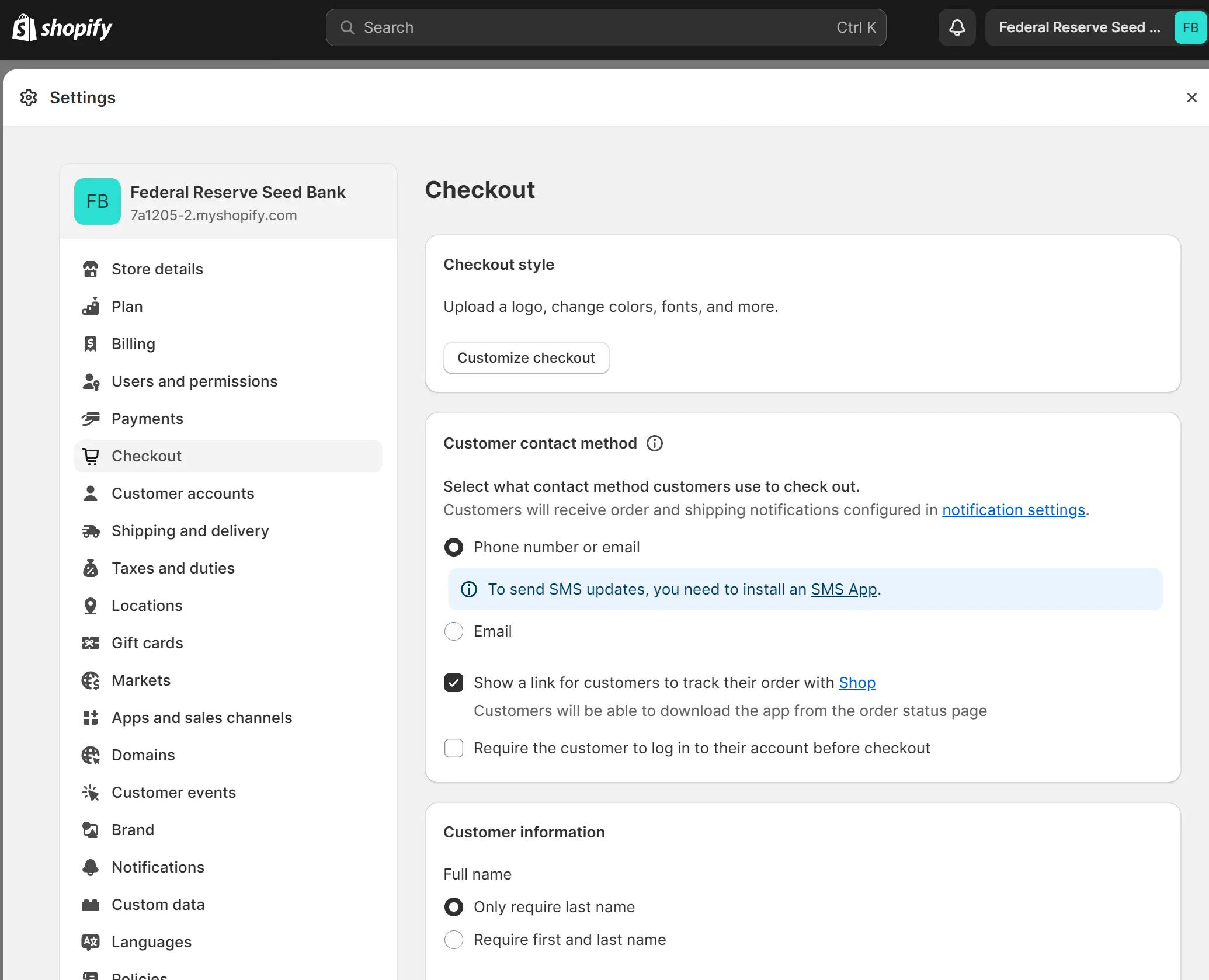
    Screenshot of Shopify checkout settings page.

    Key Features of Shopify

    Shopify simplifies the e-commerce experience with a comprehensive, all-in-one approach. Here are some Shopify features:

    • Simplicity: Shopify’s platform is known for its user-friendly interface, requiring less technical skill to get started.
    • Integrated Shipping Having shipping built into the website without needing to install 3rd party plugins is convenient.
    • Integrated Sales Features: From abandoned cart recovery to various payment gateways, Shopify equips you with tools that assist in managing sales efficiently.
    • Reliable Customer Support: With 24/7 support, Shopify takes pride in ensuring that help is available whenever you need it.

    When evaluating Shopify’s advantages and disadvantages, it’s essential to recognize its less customizable nature because it is a closed ecosystem compared to WooCommerce. Nevertheless, the platform’s ease of use and robust customer support make it a favored choice for entrepreneurs drawn to simplicity over flexibility.

    In your quest to evaluate the pros and cons of WooCommerce and Shopify, it’s crucial to consider your business’s unique requirements and technical capabilities. A careful assessment will guide you toward the best platform for your e-commerce vision.
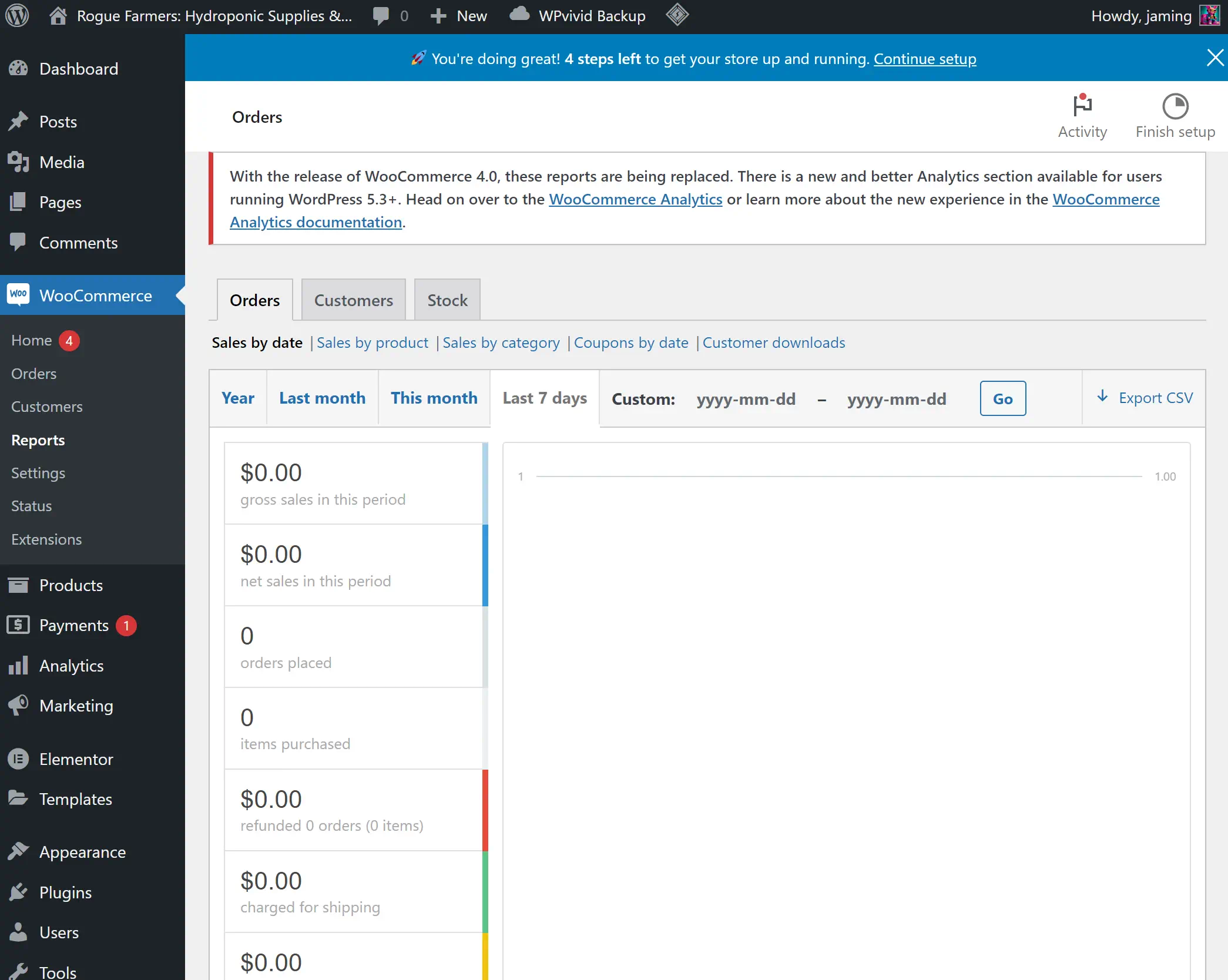
    WooCommerce dashboard displaying zero sales data.

    Diving Into WooCommerce: Advantages and Limitations

    Choosing between WooCommerce vs Shopify for small businesses involves an analysis deep enough to understand WooCommerce limitations and the advantages of WooCommerce. As an e-commerce platform built on the premise of flexibility, WooCommerce shows its strength in its capacity to be shaped and customized according to distinct business requirements, making it captivating for those looking to inject a unique flair into their online storefronts.

    The platform’s inherent affordability often entices small business owners; WooCommerce is free, and the primary expenses are tied to web hosting and domain registration. This compelling pricing structure is, however, just part of the picture. The reliance on plugins, which can amplify functionality, entails potential added costs. These additional expenses and the need for routine maintenance and updates must be considered when appraising the total cost of ownership.

    One must recognize the WooCommerce limitations that necessitate an understanding of web development. The platform demands more from you, urging the deployment of skills to manipulate an extensive array of themes and plugins effectively. This requirement may introduce a learning curve that some may need help with. Even though Shopify is easier to use, it still has many complexities that take time to learn, and if you have experience with WordPress, you might find it easier to use WooCommerce.

    If you want to build a great eCommerce website, you should hire a skilled web developer. Both eCommerce platforms overstate user-friendliness, and you don’t want a low-quality website representing your brand.

    With these considerations, the advantages of WooCommerce become clear with its high level of customizability and openness. The power to tweak every element of an e-commerce store to match a business’s precise vision and strategy is a lure strong enough to draw in those with the necessary technical savoir-faire. With WooCommerce, my experience has shown that the learning invested translates to greater control over your online presence—a nuanced advantage that should not be underestimated.

    1. Free platform with cost primarily from hosting and domain.
    2. High customizability and flexibility with open-source access.
    3. Requires web development knowledge for perfecting themes and plugins.
    4. Additional costs and maintenance associated with plugin reliance.

    WooCommerce’s New Integrated Payments and User-Friendly Product Editor Challenge Shopify’s Ease of Use

    WooCommerce has recently introduced new features that significantly enhance its product management capabilities, narrowing the gap in user-friendliness that has been a distinct advantage for Shopify. These updates include an integrated payments system similar to Shopify, offering a more streamlined and efficient checkout process.

    A standout improvement is the new product editor, currently in beta. This editor revolutionizes the way products are managed on WooCommerce. It adopts a tabbed workflow approach, simplifying product management by dividing it into specific sections such as descriptions, images, organization, pricing, inventory, shipping, and variations. This method allows users to concentrate on one aspect at a time, thereby improving efficiency and reducing distractions.

    Moreover, the introduction of Gutenberg blocks in the new editor offers enhanced design capabilities. Users can now create more engaging and visually appealing product descriptions, improving the overall aesthetic and information quality of product listings. The updated editor also makes adding and managing product images simpler, enhancing the visual appeal of products on the platform.

    These advancements in WooCommerce demonstrate a significant step towards providing a more user-friendly experience, rivaling the ease of use that Shopify is known for.
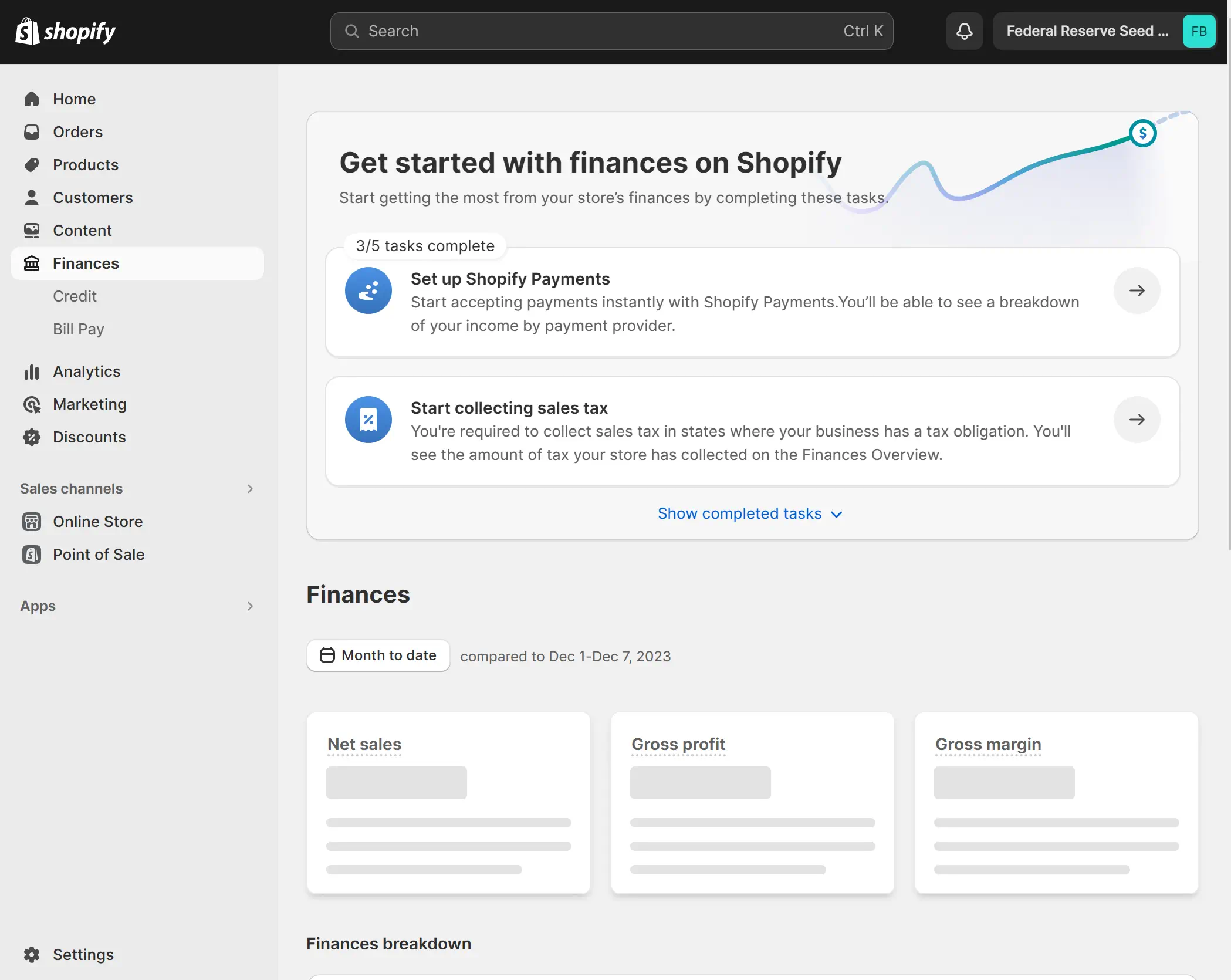
    Shopify dashboard displaying financial tasks and sales overview.

    Exploring Shopify: Pros and Cons

    When considering Shopify for online stores, it’s clear that the platform positions itself as the go-to choice for businesses seeking a seamless entry into e-commerce. I’ll explore the significant advantages of being user-friendly and customer-centric support.

    Ease of Use and Customer Support

    Shopify’s ease of use of Shopify is often highlighted by users who appreciate its intuitive interface. Setting up a shop is a hassle-free experience, guided by a clear dashboard and easy-to-follow steps. This simplicity is bolstered by Shopify customer support, a critical resource for users at all stages of building and managing their online presence. With a dedicated 24/7 Shopify Help Center and direct access to experts, merchants are assured they have the backing needed to resolve issues swiftly.

    Shopify Pricing and Transaction Fees

    Regarding Shopify costs, newcomers are sometimes surprised by the upfront price tag. Plans start at $39 monthly and can reach $399 for businesses scaling up their operations. They also have a Shopify Plus for $2000 monthly. These figures may initially overshadow the hidden costs of platforms with separate hosting fees. If you want to use a separate payment processor, Shopify charges transaction fees; these are forgone when utilizing Shopify Payments. Therefore, businesses opting for Shopify’s in-house payment processor stand to gain in the long run.

    Reflecting on these factors, it’s evident that Shopify presents an end-to-end solution that balances straightforward usability with a comprehensive support system. Despite these strengths, one must carefully assess ongoing transaction fees against the breadth of features and support provided. This evaluation is crucial in determining whether Shopify is the most cost-effective route for an online store, particularly when pitted against WooCommerce’s modular, but sometimes more complex, cost structure.

    WooCommerce vs Shopify: Core Differences

    When considering the options of WooCommerce versus Shopify, it’s essential to understand their core differences to make an informed decision that aligns with your business needs. These platforms diverge significantly, not just in terms of design and user experience but also regarding their fundamental structure and approach to e-commerce.

    With WooCommerce, the freedom it offers through its open-source nature is as expansive as it is demanding. The trade-off comes in the form of greater responsibility for your store’s maintenance and technical enhancements. In contrast, Shopify simplifies the process to a large extent, providing a hosted and comprehensive platform that spares you the intricacies of backend management.

    Here’s a concise WooCommerce vs Shopify comparison encapsulated in a table creates a clearer picture of their differences:

    Aspect WooCommerce Shopify
    Hosting Requires separate hosting services Includes centralized hosting solutions
    Customization Complete control with open-source customization Limited by the platform’s standardized features
    Technical Skill Required Higher technical understanding is needed for development and maintenance Designed for ease of use with minimal technical skill required
    Cost Free to start with, costs for extensions, themes, and hosting Monthly plans with various tiers, additional fees for extra features
    Payment Processing Flexibility in choosing payment gateways, potential additional fees Integrated payment solution with Shopify Payments, transaction fees can apply
    Support Community forums and developer resources are available 24/7 dedicated customer support

    While I contemplate the unique selling points of each platform, the choice between WooCommerce and Shopify can significantly impact the trajectory of your online business. Do you need control or prefer the ease of a pre-set structure? Analyzing the core differences between WooCommerce and Shopify is imperative to devise a strategy that’s not only compatible but also conducive to your online store’s growth.

    Real-World Performance: Case Studies and Success Stories
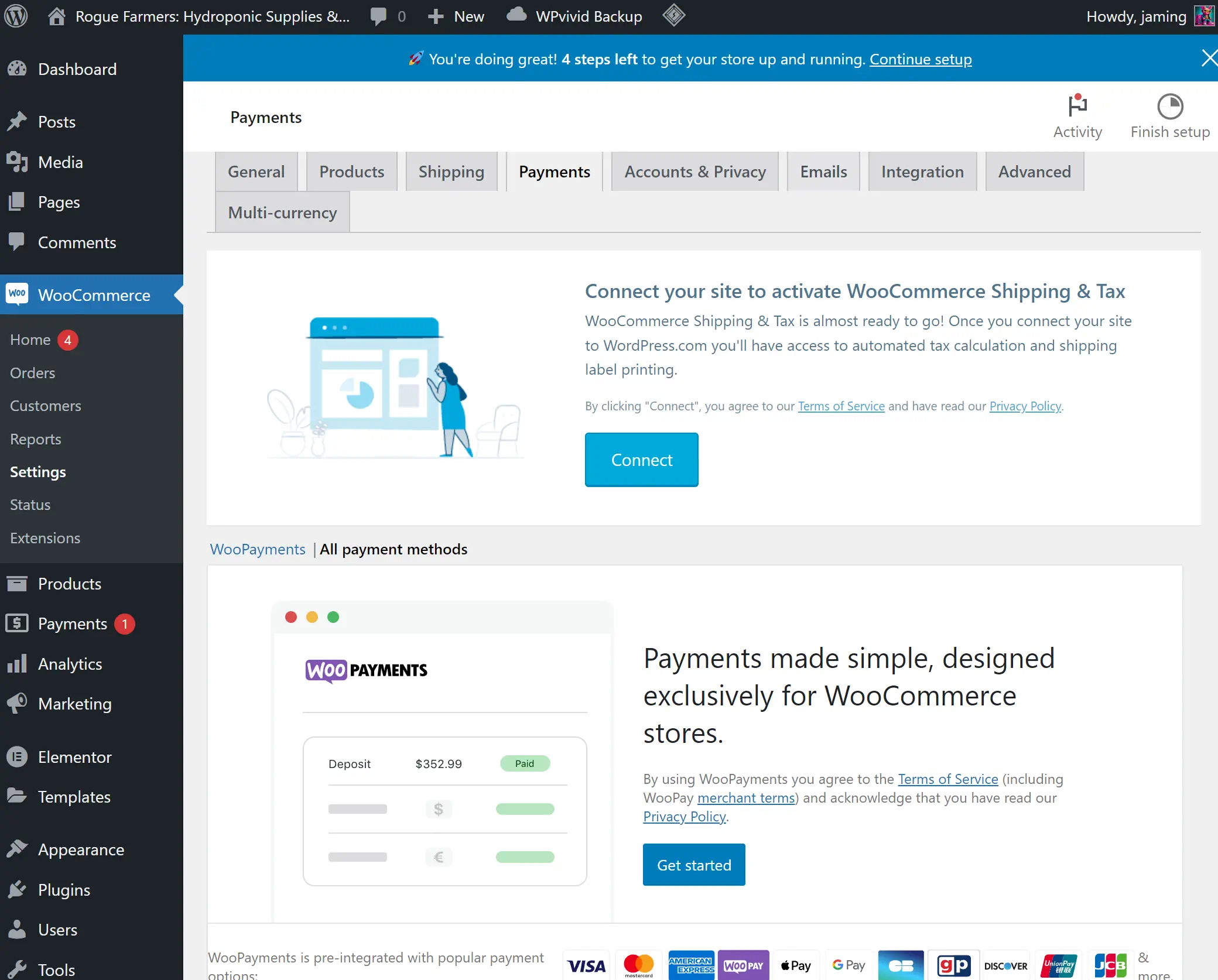
    WooCommerce Payments setup screen in WordPress dashboard.

    The true test for any platform is how it holds up in the real world. Let’s examine closely some of the real-world WooCommerce examples and Shopify success cases to understand the tangible impact these platforms have on the success of online stores.

    Success with WooCommerce

    One of the most compelling WooCommerce success stories comes from the famous home improvement brand Forage and Sundry. Beyond just selling products, the brand’s site provides a tailored experience with gardening tips and workshops, fully utilizing WooCommerce’s flexible nature to create a community around their niche. This level of customization is a testament to WooCommerce’s achievements, showcasing how a brand can leverage the platform to build a robust, content-rich, and distinct online presence.

    Success with Shopify

    A shining example of Shopify eCommerce success is seen with the fashion retailer Allure Bridals. Their transition to Shopify allowed for a more streamlined shopping experience, integrating multiple sales channels and simplifying inventory management. This case illustrates the Shopify store achievements that can be had when harnessing Shopify’s tools, making it easier for customers to purchase their dream wedding gowns.

    Platform Brand Key Achievements
    WooCommerce Forage and Sundry Customized content approach, community engagement, niche market leadership
    Shopify Allure Bridals Multichannel selling, simplified user experience, effective inventory management

    Both platforms have their myriad of success stories, but what’s clear is their capacity to scale and adapt to the specific needs of their users’ businesses. While WooCommerce offers a broad canvas for personalization and SEO strength, Shopify’s user-friendly interface and turnkey solutions provide quick market entry and operational simplicity.

    User Experience: Setting Up Your E-Commerce Store

    As someone who values the importance of user experience with WooCommerce and user experience with Shopify, I understand its critical role when setting up an eCommerce store. Crafting an appealing and functional storefront is essential, and the platform choice significantly impacts this process.

    From personal involvement with WooCommerce, I’ve come to recognize the depth and autonomy it provides. Yet, this comes with a caveat: a greater demand for technical knowledge. Acquiring a domain name, securing hosting services, and installing WordPress and its corresponding themes are steps that could intimidate novices, making it a better choice for those with technical proficiency or those willing to learn.

    Conversely, setting up an eCommerce store on Shopify is akin to having a personal assistant by your side. Its streamlined and guided setup processes offer a starkly different user experience—simplistic, direct, and beginner-friendly. This distinctive ease of Shopify use sparks a resonance with my clients who seek quick and efficient entry points into the online market.

    Shopify’s dashboard is designed for immediacy and ease, thriving as a turnkey solution for many aspiring online entrepreneurs.

    To show a clearer picture of these distinct set-up experiences, consider this comparative table highlighting the key steps and user involvement for both WooCommerce and Shopify.

    Set-Up Stage WooCommerce Shopify
    Domain Registration User Responsibility Guided Process
    Hosting Setup User Responsibility Included in Service
    Platform Installation Included with hosting Automatic Platform Setup
    Theme Installation Extensive Customization Curated Selection
    Adding Products Easy to use Product Builder Intuitive Product Builder
    Payment Gateway Configuration Multiple 3rd-Party Integrations Simple Native Solution
    Customer Support Community & Service Providers 24/7 Direct Support
    Launch Readiness Technical Testing User-Friendly Checklist

    Recognizing the strengths and constraints of WooCommerce and Shopify is integral for aspiring online retailers. One’s comfort with technology, desired control over their store, and support needs are all decisive factors—the final choice determines not only the set-up experience but possibly the trajectory of online business success.

    Conclusion

    The debate surrounding WooCommerce vs Shopify for online stores often boils down to choosing between personalization and convenience. I’ve taken a deep dive into both platforms and showed that the decision isn’t necessarily a matter of which is better—WooCommerce or Shopify—but rather which platform aligns seamlessly with your specific business needs and aspirations.

    Shopify has invested significantly in advertising, a stark contrast to WooCommerce’s more modest approach. Despite this disparity in marketing spend, with Shopify reportedly investing millions, the core functionalities of the two platforms are remarkably similar. Both Shopify and WooCommerce offer robust tools for building and managing online stores. Shopify’s extensive advertising budget, including a substantial investment in enhancing their software, doesn’t necessarily make it superior to WooCommerce, which maintains its strong position as a free, open-source solution. Each platform has its unique strengths, making them both excellent choices for different types of online businesses.

    For entrepreneurs with technical knowledge and a vision for a highly customized web store, WooCommerce presents an alluring choice. Its robust customization capabilities offer a hands-on approach to building an online store, and pairing it with a block builder like Elementor allows unlimited customization. On the flip side, Shopify shines in its ability to expedite the process with its user-friendly environment and dedicated support, making it a go-to for business owners seeking speed and ease in getting their store up and running in a shorter time.

    Deciding between WooCommerce and Shopify is akin to selecting a path in a choose-your-own-adventure story. Both platforms have significantly evolved from older systems such as Commerc.cgi, Zen Cart, and Magento. Nowadays, businesses can more easily create basic websites using these systems. However, to fully realize the website’s potential, the expertise of a dedicated team specializing in eCommerce is indispensable.

    Choosing between WooCommerce and Shopify depends on your digital expertise, business size, and eCommerce goals. Success comes from matching your platform choice with your business strategy and the customer experience you aim to provide. Whether it’s WooCommerce’s adaptability or Shopify’s user-friendly approach, the right fit is key.

    FAQ

    What are the key features of WooCommerce?

    WooCommerce is known for its flexibility and customizability due to being an open-source plugin for WordPress. It offers extensive customization options with hundreds of themes and plugins, allows for full control of your store’s functionality, and is known for its favorable SEO capabilities. However, it requires a higher level of technical expertise and may involve additional costs for hosting, themes, and plugins.

    What are the key features of Shopify?

    Shopify features an all-in-one, user-friendly platform that simplifies setting up and managing an eCommerce store. It includes hosting, security, and many payment gateway options. Its ease of use and 24/7 customer support appeal to those without extensive technical knowledge. The platform is less customizable than WooCommerce but offers a range of out-of-the-box sales features, such as abandoned cart recovery.

    What are the advantages and limitations of WooCommerce?

    WooCommerce offers a highly customizable platform, which is advantageous for those seeking to tailor their online stores to specific needs. The main advantages include no starting fees and expanding the functionality with plugins. However, the limitations involve the need for technical knowledge, additional costs for plugins, themes, hosting, and ongoing maintenance. It is ideal for those comfortable with the technical aspects of website development.

    What are the pros and cons of Shopify?

    The pros of Shopify include its hassle-free setup, comprehensive customer support, and inclusive package that covers hosting and security. It’s an excellent platform for entrepreneurs who prefer a straightforward approach to launching their online business. However, the cons involve higher monthly fees, less customizability, and transaction fees if using something other than Shopify Payments.

    What are the core differences between WooCommerce and Shopify?

    The core difference lies in their approach; WooCommerce is an open-source, highly customizable platform requiring more hands-on management and technical know-how. Shopify is a closed, all-encompassing platform known for its ease of use, making it ideal for those who prefer a more guided and maintenance-free pathway to establishing their online store.

    Can WooCommerce be more cost-efficient than Shopify?

    WooCommerce is free, making it appear more cost-efficient, especially for small businesses or startups on a tight budget. However, additional costs, such as hosting, can add up. Comparatively, Shopify has a monthly fee, which includes hosting and website security. The cost-effectiveness of either platform ultimately depends on the specific needs and budget of the business.

    What makes Shopify particularly appealing to new business owners?

    Shopify’s simplicity and ease of use appeal to new business owners. The platform is designed to help entrepreneurs set up their online stores quickly without needing advanced technical knowledge or understanding of web development. This simplicity, combined with its comprehensive customer support and all-in-one package, makes Shopify a go-to choice for those new to eCommerce.

    Are there any success stories from businesses using WooCommerce?

    Yes, many successful eCommerce websites have been built on WooCommerce, showcasing its scalability and ability to fit specific business needs through customization. Success stories often focus on the platform’s adaptable environment and efficient SEO management, which are pivotal to their growth and success.

    How do user experiences differ when setting up an online store on WooCommerce vs Shopify?

    Setting up an online store with WooCommerce can be more complex, involving the purchase of a domain, selecting hosting, installing WordPress, and setting up the WooCommerce plugin with the desired themes and extensions. On the other hand, Shopify users can enjoy a smoother initial setup due to Shopify’s guided process, comprehensive documentation, and user-friendly dashboard.

    Which platform is better for selling online – WooCommerce or Shopify?

    The better platform for selling online depends on the business owner’s specific needs and expertise. WooCommerce is suitable for those who want a highly customizable platform and are willing to manage the technicalities. Shopify is better for entrepreneurs looking for ease of use, quick setup, and minimal maintenance. Both platforms offer robust capabilities and have proven success, so the choice ultimately aligns with the individual’s business goals and technical aptitude.

    Source Links

  • Planning Your Marketing Budget: Key Strategies

    Planning Your Marketing Budget: Key Strategies

    Piggy bank with glasses on marketing budget strategies slide.
    As industry leaders in marketing services, we at Popproxx understand the intricacies of developing a robust digital marketing budget. The cornerstone of any successful campaign lies in the ability to strategically plan and allocate financial resources. Our expertise in marketing budget optimization is designed to help businesses of all sizes maximize ROI while employing effective budgeting techniques. Crafting an actionable plan is more than just crunching numbers; it’s about aligning your financial capabilities with marketing ambitions that drive growth and profitability.

    We pride ourselves on guiding companies through the nuanced process of budgeting for marketing. Developing a budget isn’t just about how much you spend, but where and how you invest each dollar. Let us walk you through the steps of how to plan your marketing budget to ensure every investment counts toward reaching your goals.

    Key Takeaways

    • Strategic budget planning is essential for aligning marketing ambitions with financial capabilities.
    • Optimizing your marketing budget requires an understanding of where to allocate funds to yield the best ROI.
    • Customized budgeting techniques are key to addressing unique business needs and market demands.
    • Analytical insights guide informed decision-making and contribute to successful resource allocation.
    • Popproxx offers professional guidance in crafting and implementing a comprehensive marketing budget plan.

    Understanding the Importance of a Strategic Marketing Budget

    In our commitment to fostering business growth, we recognize that grasping the marketing budget definition and its strategic importance is essential. A sound marketing budget dictates the blueprint for how resources are allocated towards marketing activities. Often, this encompasses various facets including outbound advertisements, inbound marketing efforts, and personnel resources necessary for execution and management. Establishing a strategic marketing budget is not about merely earmarking funds; it’s about judicious investment towards achieving significant business goals.

    Defining What Constitutes a Marketing Budget

    Comprehending the components that form a marketing budget is foundational to marketing budget management. This involves the recognition of expenditures that range from paid media placements and creative assets to marketing software subscriptions and staff compensation. A well-defined budget serves as the financial reflection of a marketing plan, enabling us to map out anticipated costs and measure returns on investment with precision.

    Aligning Marketing Efforts with Business Objectives

    One key to our success lies in ensuring that budget alignment is thoroughly in sync with our overarching business goals. Each dollar spent is aimed at driving concrete results, such as bolstering customer acquisition or enhancing brand visibility. Clear and measurable objectives steer our spending, granting us the dexterity to course-correct and capitalize on marketing opportunities as they arise.
    Emphasizing the Role of Market Analysis in Budget Planning

    Integral to sculpting an effectual marketing budget is the market analysis, which illuminates where our brand stands in relation to competitors and market trends. By diving deep into the analytics, we can make informed decisions about campaign targeting, channel mix, and resource allocation, ensuring that every aspect of the budget is geared towards optimal market penetration and return on investment.

    How to Plan Your Marketing Budget for Optimal Impact

    Piggy bank and budget money.
    Piggy bank and budget money.

    Effective planning of a marketing budget is a dynamic process that ensures every dollar is strategized for maximum impact. At the core, it harmonizes business objectives with financial realities, setting the stage for targeted marketing investment and sustainable growth.

    Clarifying Business Goals for Targeted Marketing Investment

    Our initial step involves crystallizing the business objectives. A laser-focus on business goals ensures that marketing investments are not only strategic but also promise the highest dividends in enhancing brand visibility and driving sales increments. We treat this alignment as the cornerstone of planning a marketing budget.

    Analyzing Past Spend and Forecasting Future Needs

    Analyzing spend patterns sheds light on the effectiveness of past marketing endeavors. This retrospective view forms the foundation for future budget forecasting, allowing us to adapt and allocate with precision.

    Utilizing Customer Retention Metrics for Budget Adjustments

    Next, we dive into customer retention metrics—a critical gauge of marketing success. High retention rates signal a successful marketing strategy and guide future investment, while low rates point to areas needing attention and possible budget reallocation.

    Adapting to Evolving Digital Marketing Trends

    Finally, we keep our fingers on the pulse of digital marketing trends, ensuring our strategies are flexible and current. Adapting to the digital marketing landscape means pivoting with agility to harness new channels and techniques that resonate with our target audience.

    To illustrate, let us review the performance of two different marketing strategies used in the previous year.

    Marketing Strategy Cost Customer Acquisition Retention Rate ROI
    Email Campaigns $10,000 350 new customers 75% 150%
    Pay-Per-Click Ads $15,000 420 new customers 40% 120%

    Our analysis reveals that while pay-per-click ads brought a higher quantity of new customers, email campaigns resulted in better customer retention and ROI. Moving forward, we will adjust our planning marketing budget to prioritize strategies that have demonstrated the highest value.

    Allocating Resources for Marketing: A Data-Driven Approach

    In a landscape where every dollar must be accounted for, we focus on a data-driven strategy to ensure every aspect of our marketing budget is optimized for performance. Understanding where to allocate marketing resources is not a guessing game; it’s a science. We track and analyze data meticulously to inform budget allocation for marketing. We prioritize channels that drive conversions, scaling up investment in high-performing areas while scaling back in others. This approach is central to our strategy for ROI optimization.

    Let’s break down how we manage our resource allocation using real data:

    • We begin by collecting data on all marketing channels to understand their impact on our bottom line.
    • Metrics such as conversion rate, cost per acquisition, and customer lifetime value are analyzed to identify the most effective strategies.
    • We forecast potential ROI to guide future marketing investments, weighing this against the expense of various campaigns.
    Marketing Channel Conversion Rate Cost per Acquisition ROI
    Email Marketing 5.1% $10 400%
    Social Media Ads 2.2% $30 150%
    Content Marketing 3.5% $20 250%
    Pay-Per-Click 4.0% $15 200%

    Our commitment to a data-driven approach consistently results in strategic resource allocation that maximizes our marketing budget and optimizes our ROI. The above table serves as an example of how data can influence decision-making in allocating marketing funds. By looking at these metrics, we can decide which marketing channels deserve more investment and which should be reconsidered.

    Effective Marketing Budgeting: Strategies and Management

    Marketing team.
    Marketing team.

    In marketing budget strategies, prudent budget assessment ensures prosperous outcomes. Our approach highlights the need for rigorous evaluation of financial commitments to marketing activities and their corresponding return on investment (ROI). We diligently manage budget allocation to maximize efficiency and drive growth.

    Determining Costs of Campaigns and Assessing ROI

    Conducting a thorough ROI evaluation encompasses tracking campaign spending and measuring their impact. We employ various methods to quantify the efficacy of each dollar spent, thus shaping our drive towards high-ROI channels.

    Investing in High ROI Channels and Cutting Underperformers

    Focusing on performance allows us to intensify investments in channels manifesting elevated ROI figures. Conversely, we do not hesitate to cut ties with underperforming outlets, redirecting those resources to more fruitful avenues.

    Designating a Budget Portion for Innovative Experiments

    We believe in reserving a segment of our budget for innovative marketing experiments. These ventures may not guarantee immediate results, yet they can potentially disrupt the market and significantly open new doors for engagement.

    Marketing Automation and Tools for Budget Efficiency

    Embracing technology, particularly marketing automation and budget management tools, is a hallmark of our strategy for enhancing budget efficiency. These technological solutions streamline workflows, offer precise analytics, and engender cost savings in the long haul.

    At Popproxx, our commitment to providing precise and effective marketing budget guidance is unwavering. We believe in employing a blend of tried-and-true practices and cutting-edge innovations to ensure that our marketing spend achieves its intended impact.

    Insights on Industry Trends and Competitive Analysis

    At Popproxx, we pride ourselves on delivering marketing budget insights that reflect current industry benchmarks and anticipate future shifts in your sector. Our mission is to provide you with in-depth industry spending insights and marketing trend analysis so you can make well-informed decisions to stay ahead.

    We embrace competitive analysis as an opportunity to understand the landscape in which your business operates. By identifying what competitors are investing in and cutting back on, we can offer tailor-made strategies for budgeting for competitive advantage. Here’s how we approach this crucial aspect of your marketing strategy:

    1. Comprehensive Market Overview: We start by distilling the vast data pool to present you with clear industry trends.
    2. Competitor Spend Habits: Next, we gather intelligence on your competitors’ spending to provide a comparative context for your marketing investments.
    3. Identification of High-Performance Strategies: We spotlight the marketing strategies that are generating the best ROI in your field.

    With this information, we can guide your decisions on where to distribute your marketing budget for the highest impact.

    Here’s a snapshot of an industry spending comparison:

    Industry Sector Average Marketing Spend Our Client’s Average Spend Competitor’s Average Spend
    Technology 18% 15% 20%
    Retail 14% 12% 15%
    Healthcare 12% 10% 14%

    Combining insights from these analyses, we formulate a robust marketing plan that aligns with your ambitions and ensures you gain a competitive edge in your respective industry.

    Conclusion

    In summing up the key takeaways from our comprehensive exploration of marketing budget strategies, it’s undeniable that adherence to marketing best practices is not merely a recommendation but an imperative for contemporary businesses. Recognizing the profound impact of a well-conceived and meticulously implemented marketing budget plan cannot be overstated. This is where our deep-rooted dedication to fostering Popproxx marketing success comes to the forefront, underscoring our pledge to empower your business’s growth.

    Reflecting on Marketing Budget Best Practices

    Our discussion has reinforced the conviction that successful marketing budgeting hinges on a dynamic blend of foresight, precision, and flexibility. We have delved into the essence of creating a budget that is both bespoke to your brand’s requirements and responsive to the market’s pulse. By implementing a custom marketing budget plan, you are taking a pivotal step towards ensuring that each dollar spent is an investment in your brand’s enduring prosperity.

    Our Commitment at Popproxx to Your Marketing Success

    At Popproxx, we stand committed to the accretion of your marketing success. Our expert team is equipped to journey with you through every phase of marketing budget reflection and execution, helping you cleave to the path that leads to an impressive return on investment (ROI). Every strategy we recommend is tailored to mirror the unique contours of your goals and visions.

    Next Steps for Implementing Your Custom Marketing Budget Plan

    We encourage you to engage with us as we embark on the next steps toward realizing a marketing budget that encapsulates your brand’s ethos and aspirations. Together, we will navigate the nuances of implementing your marketing budget—crafting, refining, and actualizing a financial blueprint that prioritizes efficacy and ROI. Let us unite in sculpting a narrative of triumph woven through the strategic threads of an exceptional marketing budget.

    Discussing the budget
    Discussing the budget

    FAQ

    What factors should be considered when planning a digital marketing budget?

    When planning a marketing budget, consider factors such as business goals, historical spending patterns, target audience, market trends, competitive landscape, and expected ROI on different channels. It’s also important to account for staffing, tools, technology investments, and potential experimental initiatives.

    How does Popproxx approach marketing budget optimization to maximize ROI?

    At Popproxx, we focus on a data-driven approach that analyzes past campaign performance, market trends, and customer retention metrics. We then allocate funds to high-ROI channels and adjust strategies based on analytics to ensure that every dollar spent contributes effectively to the clients’ business goals.

    What is the role of market analysis in planning a marketing budget?

    Market analysis plays a pivotal role in budget planning as it helps businesses understand their position within their industry, identify opportunities and threats, and gauge the effectiveness of past marketing efforts. This analysis informs the marketing budget’s strategic allocation to channels with the greatest potential for growth and customer engagement.

    How important is it to align your marketing budget with your business objectives?

    Aligning your marketing budget with business objectives is crucial as it ensures that the marketing efforts directly contribute to the company’s overarching goals, such as revenue growth, brand awareness, or market expansion. It ensures that the budget effectively achieves specific, measurable outcomes.

    Can you explain the benefits of a targeted marketing investment?

    Targeted marketing investment involves directing resources into specific areas that are most likely to yield results aligned with business objectives. Benefits include higher conversion rates, more effective customer engagement, increased sales, and better allocation of marketing resources, leading to improved ROI.

    Why are customer retention metrics important for budget adjustments?

    Customer retention metrics are vital as they indicate the success of current marketing strategies in maintaining customer engagement and loyalty. High retention rates suggest effective marketing, guiding future budget allocation toward tactics that continue to nurture and retain customers. Conversely, if these metrics are low, they highlight areas needing budget reallocation.

    How does adapting to marketing trends impact marketing budget planning?

    Adapting to current marketing trends allows businesses to stay relevant and competitive. It impacts budget planning by necessitating the incorporation of new and emerging channels into the marketing mix, which may require shifts in budget allocation to capitalize on these growth opportunities.

    What are the benefits of using marketing automation and management tools for budget efficiency?

    Marketing automation and management tools can streamline campaign execution, improve targeting, track performance, and provide actionable insights. This results in reduced manual labor, more precise budgeting, and better allocation of resources, enhancing overall marketing budget efficiency.

    How do insights on industry trends and competitive analysis inform the creation of a marketing budget?

    Insights on industry trends and competitive analysis help businesses understand the standard spending within their sector, the effectiveness of different marketing strategies, and the channels competitors are leveraging. This knowledge informs the creation of a budget that allows for competitive positioning and making informed decisions on where and how much to invest.

    How do we start implementing a custom marketing budget plan at Popproxx?

    To start implementing a custom marketing budget plan at Popproxx, we work collaboratively with clients to understand their unique objectives, conduct a thorough market and internal analysis, and use industry benchmarks to inform budget allocation. From there, we craft a tailored, dynamic marketing plan to achieve desired business outcomes.

    Source Links

  • Demystifying the Inner Workings of an SEO Company

    Demystifying the Inner Workings of an SEO Company

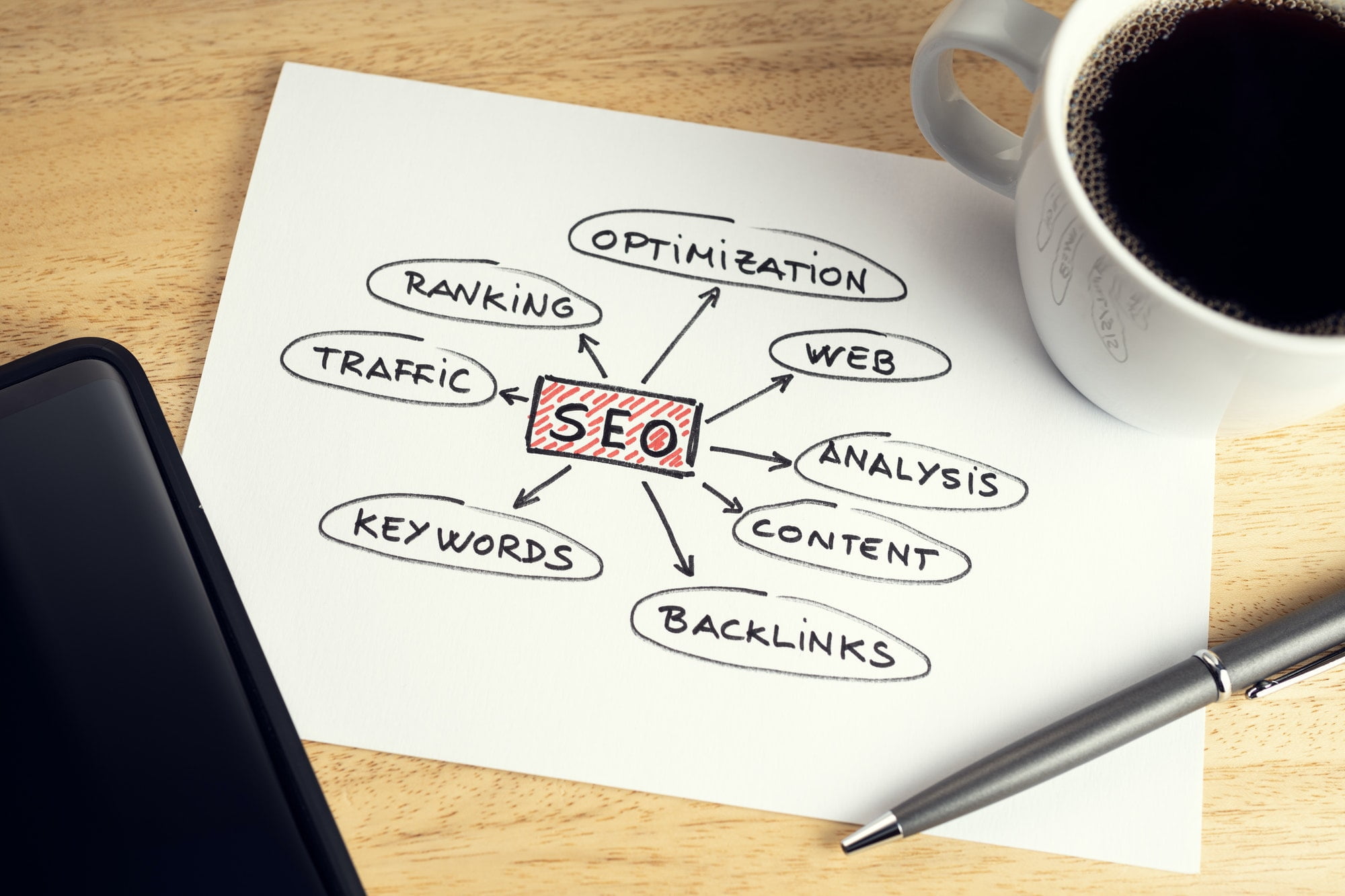
    Working desk with paper sheet with SEO planning
    Working desk with a paper sheet with SEO planning

    Welcome to our insightful exploration of the inner workings of an SEO company. In this article, we aim to shed light on the fascinating world of search engine optimization (SEO) and the invaluable services SEO companies provide. With the ever-increasing importance of online presence and organic search rankings, businesses are turning to SEO experts to optimize their websites and drive targeted traffic.

    So, what exactly does an SEO company do? At its core, an SEO company is dedicated to improving the visibility and ranking of a website on search engines like Google. Through a meticulous process of website optimization, content creation, and off-site strategies, these companies leverage the power of SEO to help businesses reach their online goals.

    Let’s dive deeper into the various aspects of an SEO company – from the initial assessments to keyword research, on-site enhancements, and off-site dynamics. We’ll uncover the strategies and techniques used to boost online visibility and drive organic traffic.

    Key Takeaways:

    • An SEO company improves a website’s visibility and search engine rankings.
    • Through comprehensive assessments, SEO companies identify areas for improvement and tailor strategies to meet specific business goals.
    • Keyword research is a crucial step in targeting valuable keywords and understanding user intent.
    • On-site enhancements, such as optimizing meta tags and improving content, are essential to maximize search engine visibility.
    • Off-site dynamics, including backlink building and social signals, help establish domain authority and credibility.

    The Pivotal Role of Initial SEO Assessments

    In the realm of search engine optimization (SEO), initial assessments lay the foundation for a successful SEO campaign. As an SEO company, our first step is to conduct a comprehensive analysis of our client’s website, current online presence, and the competitive landscape. This meticulous website analysis and competitor analysis allow us to identify strengths, weaknesses, and areas for improvement.

    With a deep understanding of our client’s goals and objectives, our team can develop a tailored SEO strategy that aligns with their specific needs. By leveraging the insights gained from the initial SEO assessments, we can optimize our client’s website and implement targeted solutions that drive organic traffic and improve search engine rankings.

    Sticker with the inscription keyword research hanging on a rope on a blue background
    Sticker with the inscription keyword research hanging on a rope on a blue background

    The Art and Science of Keyword Research

    Analyzing Search Volume and Competition

    In the SEO world, keyword research is a fundamental component of any successful optimization strategy. It involves analyzing search volume and competition to identify valuable keywords that align with the client’s business objectives. By understanding the popularity and competitiveness of specific keywords, SEO companies can develop a comprehensive plan to target the right audience and improve search engine rankings.

    When analyzing search volume, SEO professionals use various tools and techniques to determine how often users search for specific keywords. This data provides valuable insights into the demand for certain keywords and helps guide the optimization process. By focusing on keywords with high search volume, SEO companies can capitalize on the potential traffic and visibility these keywords can bring to a client’s website.

    On the other hand, understanding competition is equally crucial in keyword research. SEO experts evaluate the competition level for each keyword to determine the difficulty of ranking for it. This analysis involves assessing the number and quality of competitors targeting the same keywords. By identifying less competitive keywords, SEO companies can help their clients achieve quicker and more prominent results in search engine rankings.

    Understanding User Intent and Relevance

    Keyword research goes beyond search volume and competition analysis. It also involves understanding user intent and relevance, which are key factors in selecting target keywords. User intent is the underlying motivation or purpose behind a user’s search query. By understanding why users search for specific keywords, SEO companies can optimize website content to provide the most relevant information and meet user expectations.

    Relevance is another critical factor in keyword research. SEO professionals aim to identify keywords that closely align with the client’s business, products, or services. Choosing relevant keywords ensures that the website’s content is targeted towards the right audience and increases the chances of attracting qualified leads and potential customers.

    Selection of Target Keywords for Optimization

    Based on the search volume analysis, competition, user intent, and relevance, SEO companies select the most suitable target keywords for optimization. These keywords will be incorporated strategically into the website’s content, meta tags, URLs, and other optimization elements. By focusing on target keywords, SEO professionals can effectively optimize the website and improve its visibility in search engine results pages (SERPs).

    The selection of target keywords involves a combination of data-driven analysis and industry expertise. SEO companies utilize various tools, such as keyword research software and analytics platforms, to gather insights and assess the performance of different keywords. This meticulous approach ensures that the chosen keywords have the highest potential for driving organic traffic and delivering sustainable results for the client.

    Keyword research is an ongoing process in SEO. As user behavior and search trends evolve, SEO companies continuously monitor and update their keyword strategies to stay ahead of the competition and maintain the website’s visibility and relevance.

    scrabble letters with text SEARCH over green and yellow background.
    scrabble letters with text SEARCH over green and yellow background.

    On-Site Enhancements: On-Page SEO Essentials

    In this section, we will focus on the on-site enhancements that form the essentials of on-page SEO. These optimizations improve a website’s visibility and organic search rankings. By implementing proper on-page SEO techniques, businesses can maximize their online presence and attract targeted organic traffic.

    Optimizing Meta Tags and Website Structure

    Meta tags are HTML elements that provide information about a web page to search engines. They include the title, description, and keywords tags. SEO companies work closely with clients to optimize these tags, ensuring they accurately reflect the content and purpose of the page while incorporating relevant keywords.

    In addition to meta tags, the website structure also plays a vital role in on-page SEO. A well-organized and logically structured website is not only user-friendly but also helps search engines understand the hierarchy and importance of the content on the site. By optimizing the website structure, businesses can enhance their overall SEO performance and user experience.

    Improving Content with Target Keywords

    Content optimization is a fundamental aspect of on-page SEO. By strategically incorporating target keywords throughout the content, businesses can increase their visibility in search engine results pages (SERPs). SEO companies conduct extensive keyword research to identify the most relevant and valuable keywords for each page. They then collaborate with clients to optimize the content by seamlessly integrating these keywords while maintaining a natural flow and readability.

    Boosting Site Speed and Mobile Responsiveness

    Site speed and mobile responsiveness are essential factors in on-page SEO. Search engines prioritize websites that load quickly and provide a seamless user experience across devices. Optimizing the site’s code, compressing images, and leveraging caching techniques are some of the strategies employed by SEO companies to improve site speed. They also ensure that websites are mobile-friendly and responsive, allowing users to access and navigate the content easily on their smartphones and tablets.

    On-Page SEO Essentials Key Factors
    Meta Tags – Optimize the title, description, and keyword tags
    Website Structure – Create a logical and organized structure for better user experience and search engine understanding
    Content Optimization – Incorporate target keywords strategically and maintain a natural flow
    Site Speed – Optimize code, compress images, and leverage caching techniques
    Mobile Responsiveness – Ensure the website is mobile-friendly and provides a seamless user experience across devices
    SEO or search engine optimization concept
    SEO or search engine optimization concept

    Off-Site Dynamics: Building Domain Authority

    In this section, we will delve into the off-site dynamics involved in building domain authority. SEO companies employ various strategies, such as backlink building and social signals, to enhance a website’s authority and credibility. We will explore the importance of these off-site factors in improving search engine rankings and driving targeted traffic to a client’s website.

    Building domain authority is a key aspect of any effective SEO strategy. It involves implementing off-site optimization techniques that go beyond on-page changes and optimizations. By focusing on off-site dynamics, SEO companies aim to improve a website’s standing in search engine results and establish it as a trustworthy and authoritative source in its niche.

    One of the primary methods used to build domain authority is through backlink building. This involves acquiring high-quality and relevant links from other reputable websites. The more authoritative the linking sites are, the more valuable search engines consider the backlinks. SEO companies work diligently to secure these backlinks through outreach, content creation, and relationship-building with other website owners and influencers.

    Social signals also play a crucial role in building domain authority. Social media platforms provide an avenue for website promotion, content distribution, and engagement. By creating compelling and shareable content, SEO companies can generate organic social signals that indicate the popularity and relevance of a website. These signals can further enhance a website’s credibility and attract more visitors.

    When off-site dynamics are effectively managed, they contribute to improving a website’s domain authority, which in turn can result in higher search engine rankings and increased organic traffic. By focusing on backlink building and social signals, SEO companies can create a strong online presence for their clients that is recognized and trusted by search engines and users alike.

    The table below highlights key factors in off-site dynamics to build domain authority:

    Off-Site Dynamics Description
    Backlink Building Acquiring high-quality backlinks from authoritative websites to enhance website authority.
    Social Signals Engaging with the target audience on social media platforms to generate organic signals of popularity and relevance.
    Content marketing
    Content marketing

    Empowering Content Marketing and Engagement

    Developing Informative and Captivating Content

    In an SEO campaign, one of the key elements for success is developing informative and captivating content that resonates with the target audience. SEO companies understand the importance of creating high-quality content that not only provides valuable information but also engages and captivates readers. By delivering content that addresses the needs and interests of the target audience, SEO companies can attract and retain valuable website visitors, increasing the chances of conversions and customer loyalty.

    Strategies for Content Distribution and Promotion

    Once the content is created, SEO companies employ various strategies for its distribution and promotion. Content distribution is crucial for reaching a wider audience and maximizing visibility. SEO companies may utilize social media platforms, email marketing campaigns, and influencer partnerships to spread the content to a larger audience. By strategically distributing content across multiple channels, SEO companies can increase their reach and generate more traffic to the website.

    Similarly, content promotion is vital in amplifying its visibility and attracting more attention. SEO companies may utilize paid advertising, content syndication, and guest blogging opportunities to promote the content to a wider audience. These promotional efforts help to generate more brand awareness, increase website traffic, and improve search engine rankings.

    Leveraging Content to Build Backlinks and Social Signals

    Content creation not only engages the audience but also provides an opportunity to build backlinks and social signals. Backlinks, which are links from other websites pointing back to the client’s website, are a crucial aspect of SEO. SEO companies may leverage their content to attract interest from other websites and earn valuable backlinks. These backlinks not only drive referral traffic but also signal to search engines that the website is authoritative and trustworthy.

    Social signals, such as likes, shares, and comments on social media platforms, also play a role in enhancing a website’s authority and visibility. By creating high-quality and shareable content, SEO companies can encourage social media users to engage with the content and amplify its reach. This engagement helps to increase brand exposure, drive more organic traffic, and improve search engine rankings.

    Table: Strategies for Empowering Content Marketing and Engagement
    1. Create informative and captivating content
    2. Strategically distribute content across multiple channels
    3. Utilize social media platforms, email marketing, and influencer partnerships for content distribution
    4. Promote content through paid advertising, content syndication, and guest blogging opportunities
    5. Leverage content to attract backlinks from other websites
    6. Encourage social signals through shareable content on social media platforms

    Conclusion

    Throughout this article, we have explored the inner workings of an SEO company and the significant role they play in helping businesses improve their online presence and organic search rankings. By partnering with an experienced and reputable SEO company, businesses can leverage the power of search engine optimization to achieve measurable results and stay competitive in the digital landscape.

    An SEO company brings expertise and a deep understanding of the ever-evolving SEO landscape to the table. They conduct initial assessments to identify areas for improvement and develop tailored strategies that align with the client’s business objectives.

    From keyword research and on-site optimizations to off-site dynamics and content marketing, professional SEO companies employ a comprehensive suite of strategies and techniques to enhance a website’s visibility and authority. They work diligently to optimize meta tags, improve website structure, enhance content with target keywords, and build high-quality backlinks.

    By partnering with an SEO company, businesses can establish a robust online presence that attracts targeted organic traffic and maximizes conversion opportunities. The result is improved visibility in search engine results pages, increased brand awareness, and a competitive edge in today’s digital marketplace.

    FAQ

    What are the inner workings of an SEO company?

    An SEO company provides search engine optimization services to improve a business’s online presence. They utilize various strategies such as keyword research, on-page optimization, off-page optimization, content creation, and website analytics to help their clients achieve better search engine rankings.

    What is the purpose of an initial SEO assessment?

    The purpose of an initial SEO assessment is to conduct a comprehensive analysis of a client’s website and online presence. This assessment helps identify strengths, weaknesses, and areas for improvement. By understanding the client’s goals and objectives, an SEO company can develop a tailored SEO strategy that aligns with their needs.

    How does keyword research play a role in SEO?

    Keyword research is a crucial aspect of SEO. It involves analyzing search volume and competition to identify valuable keywords that align with the client’s business objectives. By understanding user intent and relevance, an SEO company can select target keywords for optimization and improve search engine rankings.

    What are the essentials of on-page SEO?

    On-page SEO includes optimizing meta tags and website structure to improve search engine visibility. Content optimization is also crucial in improving rankings, and an SEO company works with clients to enhance their content using target keywords. Additionally, site speed and mobile responsiveness are important factors in on-page SEO.

    How do SEO companies build domain authority?

    SEO companies employ various strategies to build domain authority, including backlink building and social signals. These off-site factors enhance a website’s authority and credibility, ultimately improving search engine rankings and driving targeted traffic.

    What is the role of content marketing in an SEO campaign?

    Content marketing plays a vital role in an SEO campaign. SEO companies focus on developing informative and captivating content that resonates with the target audience. They use various strategies for content distribution and promotion, including social media, email marketing, and influencer partnerships. Content can also be leveraged to build backlinks and social signals, further enhancing a website’s authority and visibility.

  • Top 5 Things to Consider for Effective Partner Recruitment

    Top 5 Things to Consider for Effective Partner Recruitment

    Understanding the Strategic Role of Recruitment Partners

    Welcome to our blog! At Popproxx, we understand the importance of effective partner recruitment in driving business growth and fostering successful collaborations. Whether you aim to expand your network or find partners for specific projects, recruiting the right partners can make all the difference. In this article, we will discuss the top 5 things to consider regarding partner recruitment strategies.

    Key Takeaways:

    • Effective partner recruitment is crucial for business growth and collaboration.
    • Strategic recruitment partners act as advisors, not just service providers.
    • Alignment of talent strategies with business objectives enhances recruitment success.
    • Effective communication and brand representation are essential in partnerships.
    • Proven strategies and continuous evaluation are crucial to building a solid partner network.

    Recruitment partners play a crucial strategic role in helping businesses attract and acquire top talent. They offer valuable expertise and insights that contribute to the overall success of an organization’s talent acquisition efforts.

    Seeking Advisors, Not Just Service Providers

    When choosing recruitment partners, it is essential to seek advisors rather than just service providers. Advisors bring a deep understanding of the industry and market trends, offering strategic guidance that goes beyond filling job vacancies. They can provide insights on talent attraction and retention strategies, employer branding, and talent market analysis, empowering organizations to make informed decisions and align their recruitment efforts with long-term business objectives.

    Aligning Talent Strategies with Business Objectives

    Effective recruitment partnerships require the alignment of talent strategies with business objectives. A strategic recruitment partner will work closely with the organization to understand its goals, values, and unique talent requirements. By aligning talent acquisition strategies with the broader business objectives, recruitment partners ensure that the right talent is attracted, hired, and retained to drive organizational growth. This alignment fosters a cohesive and integrated approach to talent acquisition, keeping recruitment efforts closely connected to the organization’s overall vision and direction.

    Communication and Brand Representation

    Effective communication and brand representation by recruitment partners is essential for attracting and engaging qualified candidates. Recruitment partners act as brand ambassadors, representing the organization to prospective candidates. Clear and consistent communication, both internally and externally, helps build trust and establishes a positive employer brand. By effectively communicating the organization’s values, culture, and career opportunities, recruitment partners can attract candidates who align with its mission and contribute to its success.

    Advantages of Seeking Advisors Advantages of Aligning Talent Strategies Advantages of Effective Communication
    1. Strategic insights and guidance 1. Recruitment efforts contribute to business objectives 1. Attracting and engaging qualified candidates
    2. Industry and market expertise 2. Cohesive and integrated approach to talent acquisition 2. Establishing a positive employer brand
    3. Informed decision-making 3. Aligned talent requirements with organizational goals 3. Building trust and fostering candidate interest

    Effective Partner Recruitment

    partner acquisition techniques

    Effective partner recruitment requires a strategic approach and the implementation of proven strategies. By optimizing the partner recruitment process, businesses can maximize their chances of finding the right partners for collaboration and business growth.

    One of the key partner acquisition techniques is targeted outreach. This involves identifying potential partners who align with your business objectives and contacting them directly. By approaching partners with a genuine interest in your industry or niche, you increase the likelihood of building strong, mutually beneficial relationships.

    Leveraging industry networks is another effective partner acquisition technique. By tapping into existing networks and associations, you can connect with like-minded professionals and companies who may be interested in partnering with your organization. These networks provide a valuable resource for identifying potential partners and expanding your network.

    Implementing an effective partner onboarding process is essential for successful partnerships. This involves providing comprehensive training and support to new partners, ensuring they are equipped with the knowledge and tools to contribute to your organization’s goals. By facilitating a smooth onboarding experience, you can foster a strong foundation for collaboration and long-term success.

    Building a partner network requires ongoing relationship management. It is important to regularly evaluate partner performance and address any issues or challenges that may arise. By fostering open lines of communication, you can maintain a strong, collaborative relationship with your partners and ensure that the partnership continues to drive positive results for both parties.

    In conclusion, effective partner recruitment involves optimizing the recruitment process, utilizing partner acquisition techniques, implementing a comprehensive partner onboarding process, and actively managing relationships within the partner network. By adopting these strategies, businesses can build a strong partner network that drives growth and contributes to long-term success.

    Conclusion

    In conclusion, effective partner recruitment is a continuous process that requires us to reshape our partner recruitment vision and embrace transparency and insight sharing. As we navigate the ever-changing market trends, it is essential to evaluate and improve our recruitment strategies to align with our organizational goals.

    Reshaping our partner recruitment vision involves staying ahead of the curve and adapting to the evolving needs of our industry. By remaining proactive and flexible, we can attract partners who can add value and contribute to our business growth. It is crucial to constantly reevaluate our recruitment strategies to ensure that they are in line with our organizational goals.

    Embracing Transparency and Insight Sharing

    Transparency and insight sharing play a vital role in building strong partnerships. By fostering open communication and sharing valuable insights, we can establish a foundation of trust and collaboration with our partners. This transparency creates an environment where both parties can work towards shared objectives and drive mutual success.

    Sharing insights not only allows us to leverage our partner’s expertise but also provides them with the knowledge they need to understand our organization fully. This mutual exchange of information fosters stronger relationships and enables us to make informed decisions that benefit both parties.

    By implementing these top 5 considerations for effective partner recruitment, we can enhance our network, drive growth, and build lasting partnerships. Reshaping our partner recruitment vision, embracing transparency, and sharing insights are essential to creating a thriving partner ecosystem that contributes to our overall success.

    FAQ

    What are the top 5 things to consider for effective partner recruitment?

    The top 5 things to consider for effective partner recruitment are seeking advisors, not just service providers; aligning talent strategies with business objectives; effective communication and brand representation; implementing proven partner acquisition techniques; and implementing an effective partner onboarding process.

    What is the strategic role of recruitment partners?

    Recruitment partners play a crucial strategic role in helping businesses attract and acquire top talent. They act as advisors, providing strategic insights and guidance throughout the recruitment process.

    Why is it important to seek advisors, not just service providers, when recruiting partners?

    Seeking advisors, not just service providers, ensures that recruitment partners can provide strategic insights and guidance, helping businesses make informed decisions and successfully attract top talent aligned with the organization’s goals.

    How does aligning talent strategies with business objectives contribute to successful partner recruitment?

    Aligning talent strategies with business objectives ensures that recruitment efforts contribute to the overall success of the organization. It helps identify candidates who possess the necessary skills and qualities that align with the organization’s long-term goals.

    Why is effective communication and brand representation important in partner recruitment?

    Effective communication and brand representation by recruitment partners is essential for attracting and engaging qualified candidates. It helps create a positive employer brand image, highlighting the organization’s values and culture and contributes to building strong partnerships.

    What strategies can be used for effective partner recruitment?

    Effective partner recruitment requires a strategic approach and the implementation of proven strategies such as targeted outreach, leveraging industry networks, and optimizing the partner recruitment process. These techniques help identify potential partners and attract qualified candidates.

    How can an effective partner onboarding process contribute to building a partner network?

    An effective partner onboarding process ensures that new partners are integrated smoothly into the organization. It helps establish clear expectations, facilitates knowledge transfer, and fosters strong relationships, contributing to the growth and success of the partner network.

    How can we reshape our partner recruitment vision?

    Reshaping our partner recruitment vision involves adapting to changing market trends and aligning recruitment strategies with organizational goals. It requires continuous evaluation and improvement, incorporating new approaches and best practices to attract and retain top partners effectively.

    How does embracing transparency and insight-sharing enhance partner recruitment?

    Embracing transparency and insight sharing in partner recruitment enhances collaboration and strengthens partnerships. By sharing information and insights with potential partners, we build trust and create a collaborative environment, fostering long-term partnerships that drive growth and success.

    How can effective partner recruitment strategies enhance our network and drive growth?

    By implementing the top 5 considerations for effective partner recruitment, businesses can enhance their network and attract top talent aligned with their goals. This, in turn, leads to strong partnerships, increased collaboration and drives business growth.

  • The Art of Winery Website Design: Blending Aesthetics with Functionality

    The Art of Winery Website Design: Blending Aesthetics with Functionality

    Welcome to our article on winery website design, where we explore the harmonious blend of aesthetics and functionality in creating a captivating online presence for wineries. In today’s digital age, a professional and visually appealing website is essential for wineries to showcase their brand and attract customers. By implementing thoughtful design elements, wineries can create a seamless user experience that reflects the essence of their brand while providing valuable information to their website visitors.

    Key Takeaways:

    • Effective winery website design blends aesthetics and functionality to create an appealing online presence.
    • An intuitive and easy-to-navigate website enhances the user experience.
    • Eye-catching visuals, including splashy images and animations, capture user attention and engagement.
    • A carefully chosen color palette reflects brand identity and enhances user experiences.
    • Card-based design elements guide users through the website and streamline their journey.

    The Old Website Design

    modern design

    In our research on winery website design, we discovered that LaBelle Winery’s old website design fell short in several areas. The design felt outdated and lacked the customization needed to create a unique brand identity. The color scheme, with its prominent bright yellow header and footer, was overwhelming and detracted attention from the content. Additionally, the website suffered from excessive heavy content on certain pages, making it challenging for users to stay engaged.

    One of the most significant shortcomings of the old website was the use of small images that resembled thumbnails rather than eye-catching visuals. These images failed to create an impactful visual experience for visitors, further contributing to the outdated feel of the site.

    “The design felt outdated and lacked the customization needed to create a unique brand identity.”

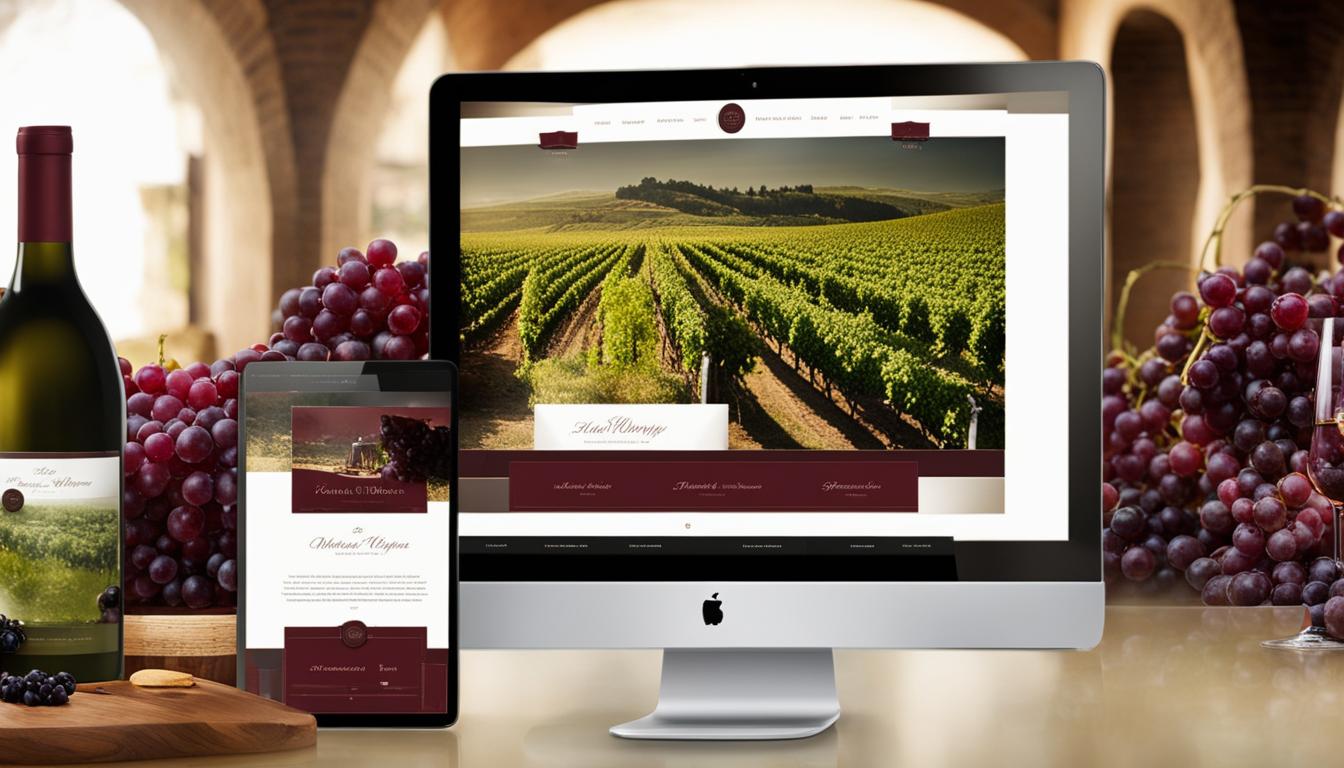
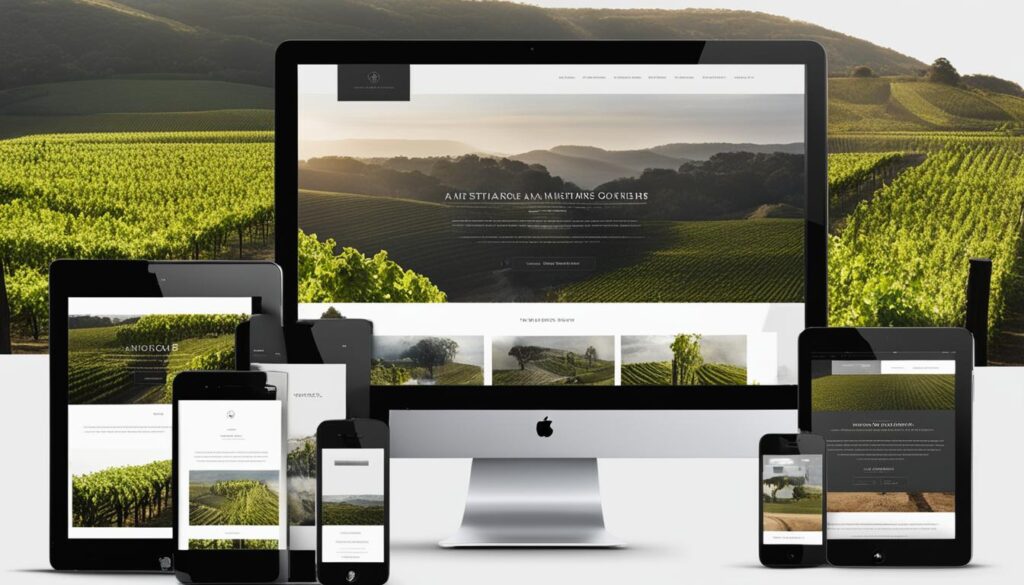
    To provide a visual reference, here is a comparison between the old website design and an example of a modern winery website design:

    Old Website Design Modern Website Design
    iMac displaying Parkhurst Wine Cellars website. Elegant website design showcasing wine brand on iMac

    The New Custom Website Design: Starting with the Navigation & User Journey

    When redesigning LaBelle Winery’s website, our primary goal was to create a seamless user experience through intuitive design and well-structured website navigation. We wanted to bring all aspects of the winery’s brand under one umbrella site, providing visitors with easy access to all the information they need.

    To achieve this, we organized the navigation into clear sections that encompassed the different facets of LaBelle Winery. The “About” section provides insights into the winery’s history, values, and founders. The “Experience LaBelle” section highlights the various wine tastings, tours, and culinary experiences available to visitors. And the “Wedding & Events” section showcases the winery’s picturesque event spaces and services.

    To accommodate the extensive range of options, we employed a mega menu, which offers a comprehensive overview of each section, fostering a straightforward and efficient browsing experience.

    By prioritizing user-friendly website navigation and designing a cohesive and intuitive layout, we aimed to ensure that visitors can effortlessly explore the website and find the information they need.

    Website Sections Navigation Menu
    About
    • About Us
    • The Winemakers
    • Our Vineyards
    Experience LaBelle
    • Wine Tastings
    • Tours
    • Culinary Experiences
    Wedding & Events
    • Weddings
    • Corporate Events
    • Private Functions
    Shop
    • Wines
    • Wine Club
    • Gifts & Accessories
    News & Events
    • Latest News
    • Upcoming Events
    • Press Releases
    Contact
    • Visit Us
    • General Inquiries
    • Customer Support

    With this user-centric approach to website design, LaBelle Winery’s new website ensures that visitors can easily navigate through the various sections and access the information they seek. The intuitive navigation enhances the overall user experience and encourages engagement with the brand.

    Splashy Show-Stopping Visuals

    Winery Website Design: Visual Impact

    In the new winery website design, we focused on creating a visually stunning experience that captivates users from the moment they land on the homepage. Utilizing the power of visuals, we incorporated large and eye-catching images to draw users into the winery and brand experience.

    “A picture is worth a thousand words.” – Unknown

    The hero images strategically placed in key areas of the website instantly capture attention and encourage users to explore further. These high-resolution visuals showcase the beauty of LaBelle Winery, enticing visitors to imagine themselves immersed in the winery’s ambiance and offerings.

    Visually Engaging Imagery

    To ensure a diverse and inclusive representation, we enlisted the expertise of local photographers to contribute to the winery’s image library. Their unique perspectives added depth and authenticity to the visuals, showcasing the winery’s commitment to celebrating diversity.

    Each image carefully selected and placed throughout the website conveys a powerful visual impact, creating an emotional connection with users and evoking a desire to experience LaBelle Winery firsthand.

    By prioritizing visually striking imagery, our winery website design aims to leave a lasting impression on visitors, enhancing brand recognition and inviting them to explore the winery’s offerings further.

    Animation & Movement

    Animation is a powerful tool that can enhance the user experience and engagement on a winery website. When used strategically, animation can guide users through the website by drawing their attention to important elements and creating a sense of movement and interactivity.

    At LaBelle Winery, we leveraged animation to create a more responsive and intuitive design. Elements on the website were designed to appear and move in a subtle and intentional manner, capturing the user’s attention and encouraging them to explore further.

    One example of animation we used was to animate the navigation menu. As users interacted with the menu, the options smoothly expanded and contracted, providing a seamless browsing experience. This interactive animation improved user engagement and made navigating the website a more enjoyable process.

    We also utilized animation to highlight key features and content areas on the website. For instance, when users scrolled down a page, certain elements would fade in or slide into view, creating a dynamic and visually interesting experience. This not only captured the user’s attention but also encouraged them to spend more time on the website.

    Animation is a great way to engage users and bring your winery website to life. It adds an element of surprise and delight, making the user experience more memorable.” – John Smith, UX Designer

    Movement in design can help convey information and guide users’ attention to specific areas. However, it’s important to strike a balance with animation. Too much movement can be overwhelming or distracting to users, impacting their overall experience. Therefore, we carefully selected and implemented animation effects that enhanced user engagement without overpowering the content.

    By incorporating animation and movement into our winery website design, we were able to create a dynamic and interactive experience that captured the essence of LaBelle Winery. Users were guided through the website with ease, leading to increased engagement and a greater connection with our brand.

    Updated Color Palette that is WCAG Level-A Compliant

    In our endeavor to create a visually appealing and user-friendly winery website design, we recognized the importance of a carefully curated color palette. The old website’s color scheme, dominated by a bright yellow and black, was in dire need of a modern update. To enhance the visual appeal and ensure compliance with WCAG Level-A standards, we introduced a range of complementary colors in shades of taupe and gray.

    The new color palette not only adds depth and sophistication to the website, but it also creates a harmonious blend that aligns with LaBelle Winery’s brand recognition. Each color was chosen with care to evoke specific emotions and resonate with users on a deeper level, emphasizing the exquisite experience offered by the winery.

    By adhering to WCAG Level-A standards, we ensure that the color palette remains accessible to all users, including those with visual impairments. WCAG compliance guarantees a better user experience for everyone, fostering inclusivity and equal access to information.

    Create a Unique Visual Identity with a Cohesive Color Palette

    A well-designed color palette plays a pivotal role in establishing brand recognition and fostering a connection with website visitors. The chosen colors need to reflect the essence of the winery while conveying its unique identity.

    With the updated color palette, LaBelle Winery not only enhances its online presence but also reinforces its brand recognition. The carefully selected taupe and gray shades embody sophistication, elegance, and timelessness – qualities synonymous with the winery’s offerings.

    Enhancing visual appeal and ensuring WCAG compliance, the new color palette brings LaBelle Winery’s brand to life, stirring emotions and creating a lasting impression in the minds of users.

    Consistency Across the Website

    The new color palette is implemented consistently throughout the website, ensuring a cohesive and harmonious user experience. From the navigation elements to the immersive visuals, every aspect reflects the thoughtful consideration given to color selection.

    By maintaining consistency, users can navigate the website with ease, understanding the various sections and related information intuitively. This unified color scheme reinforces the brand’s visual identity and strengthens its impact.

    A Visual Feast for the Senses

    The carefully curated color palette, along with the vibrant imagery and impactful design elements, creates a visual feast for visitors to LaBelle Winery’s website. Together, they evoke a sense of curiosity, enchantment, and anticipation, enticing users to explore further and engage with all that the winery has to offer.

    Benefits of the Updated Color Palette Impacts on Brand Recognition
    Enhanced visual appeal Establishes a cohesive visual identity
    Promotes user engagement Creates a memorable impression
    Compliance with WCAG Level-A standards Fosters inclusivity and accessibility

    Integration of Other Parts of the Website through Card-Based Design

    When it comes to winery website design, a streamlined user journey is essential for guiding visitors through the various aspects of a brand. This is where card-based design comes in, offering a visually appealing and user-friendly interface. Through the strategic placement of image cards with basic information, users are effortlessly directed to the next step of their buyer journey.

    Card-based design acts as a bridge, seamlessly integrating different sections of the website and minimizing the effort required for users to find what they’re looking for. Each card represents a specific category or service provided by the winery, enticing users to take action and explore further.

    By presenting information in a visually engaging and bite-sized format, card-based design keeps users engaged and encourages them to delve deeper into the winery’s offerings. Whether it’s a wine tasting event, a wedding venue, or a cellar door experience, visitors can quickly identify and access the most relevant sections of the website.

    Moreover, card-based design ensures a consistent and coherent visual language throughout the website, enhancing the overall user experience. Consistency in design elements, such as colors, typography, and imagery, fosters brand recognition and strengthens the winery’s digital presence.

    Benefits of Card-Based Design in Winery Website Design:

    • Simplifies the user journey
    • Highlights key offerings and categories
    • Enhances visual appeal
    • Promotes engagement and exploration
    • Provides a consistent brand experience

    With the integration of card-based design, wineries can create a user-friendly interface that guides visitors through a streamlined and intuitive website. By presenting information in an easily digestible format, wineries can elevate their online presence and ensure a positive user experience from the moment visitors arrive at their site.

    Conclusion

    By combining aesthetics with functionality, winery websites can create a visually appealing and user-friendly online presence. A well-designed winery website not only attracts visitors but also keeps them engaged, resulting in increased brand recognition and customer conversions.

    When designing a winery website, it is crucial to consider elements such as color schemes, imagery, layout, and navigation. The color palette should be carefully chosen to reflect the brand’s essence and evoke the desired emotions in users. Visually striking imagery, including hero images and diverse visuals, plays a vital role in capturing users’ attention and conveying the winery’s unique offerings.

    Additionally, the website’s layout should be intuitive and user-friendly, with clear sections and organized navigation menus. This ensures that visitors can easily find the information they are looking for and smoothly navigate through different pages. By streamlining the user journey through card-based design and animation, winery websites can guide users seamlessly and encourage them to take action.

    Overall, a well-designed winery website enhances digital branding and serves as a powerful marketing tool. It not only showcases the winery’s products and services but also creates a memorable online experience for visitors. With the right design choices, wineries can captivate their target audience, establish a strong online presence, and drive business growth in the competitive wine industry.

    FAQ

    How does winery website design blend aesthetics with functionality?

    Winery website design combines visually appealing elements such as color schemes, imagery, and layout with functional features like intuitive navigation and user-friendly interfaces. This blending of aesthetics and functionality creates an engaging online presence for wineries.

    What were the issues with the old website design?

    The old website design for LaBelle Winery felt outdated and lacked customization. It had excessive heavy content, making it difficult for users to stay engaged. Additionally, the small and unimpactful images detracted from the overall visual appeal of the website.

    How was the navigation and user journey improved in the new custom website design?

    The new website design organized the navigation into clear sections and utilized a mega menu to accommodate a large number of options. This intuitive design aimed at guiding users through the website, ensuring a seamless and user-friendly experience.

    How did the new website design incorporate visually impactful elements?

    The new website design for LaBelle Winery featured large, eye-catching hero images strategically placed to capture users’ attention and encourage further exploration. Local photographers were also enlisted to provide diverse and inclusive visuals, enhancing the overall visual appeal.

    How was animation used in the new website design?

    Animation was implemented strategically to guide users through the website in a subtle and intentional manner. The use of animation enhanced user engagement and created a responsive feel without overwhelming or distracting users.

    How did the updated color palette comply with WCAG standards?

    The new website design introduced a range of complementary colors in shades of taupe and gray. This palette not only enhanced visual appeal but also ensured compliance with WCAG Level-A standards, promoting accessibility for all users.

    How was the integration of different parts of the website achieved?

    The new website design incorporated card-based design elements to guide users to relevant pages and streamline their journey. Image cards with basic information were strategically placed to lead users to the next step of their buyer journey, encouraging them to take action and explore further.

    What is the key takeaway from winery website design?

    By combining aesthetics with functionality, winery websites can create a visually appealing and user-friendly online presence. Considering elements such as color schemes, imagery, layout, and navigation is crucial to reflect the brand’s essence and provide an engaging user experience, ultimately enhancing their digital branding and attracting customers to their products and services.

  • Maximize Your Online Presence: Learn How Top Construction Firms are Winning with Social Media Strategies!

    Maximize Your Online Presence: Learn How Top Construction Firms are Winning with Social Media Strategies!

    Architect and construction engineer or surveyor discussion plans and blueprints
    Architect and construction engineer or surveyor discussion plans and blueprints

    In an era where digital presence is synonymous with business success, construction firms increasingly turn to social media to bolster their market presence. This blog post delves into how top construction companies leverage social media strategies to stand out and attract more business.

    Understanding the Digital Landscape in Construction

    The construction industry, traditionally reliant on offline marketing, embraces digital trends. Social media platforms offer unique opportunities for construction firms to showcase their work, connect with potential clients, and build a robust online community.

    Male worker taking building photo with modern smartphone
    A construction worker using social media

    Key Social Media Platforms for Construction Firms

    • Facebook: Ideal for building community engagement, Facebook allows firms to showcase their projects, share updates, and engage with their audience.
    • Instagram: With its visual-centric format, Instagram is perfect for showcasing stunning design and construction work.
    • LinkedIn: This platform is crucial for networking and building a professional brand within the industry.
    • Twitter: It’s great for sharing quick updates, industry news, and interacting with peers.

    Success Stories – How Top Firms are Using Social Media

    Successful construction firms use social media to highlight their projects, share client testimonials, and document their growth. Case studies show that a well-executed social media strategy can lead to increased brand recognition and business inquiries.

    Content Strategies for Construction Firms

    Engaging content is key. This can range from behind-the-scenes videos, time-lapse footage of construction processes, to client testimonials and interactive Q&A sessions. A consistent content calendar helps maintain a steady online presence.

    Leveraging Social Media for Brand Building and Lead Generation

    Social media is not just about sharing content; it’s about building a brand and generating leads. Effective strategies include targeted advertising, interactive posts, and showcasing the unique value proposition of the firm.

    Male worker checking wooden plank at construction site
    A worker checking wooden plank at the construction site

    Engaging with the Community and Clients

    Engagement is crucial. Responding to comments, participating in online discussions, and creating community-focused content helps in building a loyal following.

    Measuring Success and ROI in Social Media Efforts

    Tracking performance through analytics tools is essential. Understanding metrics like engagement rate, reach, and lead conversion helps in refining strategies and proving ROI.

    Overcoming Challenges and Common Mistakes

    Many construction firms face challenges like inconsistent posting, neglecting user engagement, or poor content quality. Overcoming these involves a strategic approach and a focus on quality over quantity.

    Future Trends and Staying Ahead in Digital Marketing

    Staying ahead means keeping an eye on emerging trends like augmented reality (AR) in showcasing projects or leveraging influencer marketing. Adapting to these trends can keep a construction firm relevant in a rapidly evolving digital landscape.

    Conclusion

    Social media offers a world of opportunities for construction firms. By strategically leveraging these platforms, firms can significantly enhance their market presence, engage better with their audience, and drive business growth.

    Additional Resources

    For those interested in diving deeper, numerous resources are available online for social media strategy development and management specific to the construction industry. Utilizing these resources can give your firm the edge it needs in today’s digital marketplace.

  • The Entrepreneur’s Guide to Dominating the Local Market with Expert Marketing Strategies!

    The Entrepreneur’s Guide to Dominating the Local Market with Expert Marketing Strategies!

    Hey there, fellow entrepreneurs! Are you struggling to make your mark in the competitive local market? Do you feel like your marketing tactics are falling flat and not reaching your target audience? Well, you’re not alone. In today’s fast-paced business world, standing out in your local market can be a major challenge. But fear not, because in this article, we’ve got you covered with expert marketing strategies to help you dominate your local market and propel your business to success. So, let’s get started and take your business to the next level!

    Shop local!
    Shop local!

    Understanding the Local Market: Insights and Analytics:

    The Local Marketplace: Glean Insights & Analyze.

    Gaining understanding of local markets is essential for entrepreneurs who want to take the lead. Knowing market analytics, target audience analysis, consumer behavior, and competitive analysis gives valuable insights for decision-making.

    To get a thorough knowledge of the local market, entrepreneurs must dive into market analytics. This data provides info about customer preferences, buying patterns, and market trends. Businesses can identify growth chances and customize their marketing tactics to meet their target audience’s needs.

    Also, target audience analysis helps entrepreneurs to know their customers’ demographics, psychographics, and preferences. This assists in creating personalized campaigns that appeal to their desired customer base. By coupling products or services with particular consumer segments, businesses can stand out from competitors and draw loyal customers.

    Consumer behavior is key to shaping the local market landscape. Entrepreneurs have to study buying habits, purchase motives, and decision-making processes of consumers to create effective marketing plans. Knowing how consumers perceive products or services and affect each other’s buying decisions can give businesses an edge in capturing market share.

    Competitive analysis is vital for entrepreneurs wanting to lead the local market. By evaluating direct and indirect competitors’ strengths and weaknesses plus their marketing strategies, businesses can spot gaps in the market they can take advantage of. Moreover, monitoring competitors’ moves allows entrepreneurs to stay ahead of industry trends and adjust their own strategies accordingly.

    Sign at a local farmer's market - small business
    Sign at a local farmer’s market – small business

    Building Brand Awareness Locally: Techniques and Success Stories:

    Forget the billboards and join the dark side of marketing, where algorithms have more power than the Force! Crafting brand awareness locally is the way to go. Here are a few success stories that prove it:

    1. A restaurant partnered with popular food bloggers to increase footfall and online engagement.
    2. A clothing store used geotargeted ads, resulting in a huge sales boost in the targeted areas.
    3. A fitness center created tailored content, making them a go-to source for health and wellness tips.
    4. An art gallery leveraged social media platforms to showcase their exhibits and attract more locals.

    These examples show the importance of knowing the local market and customizing strategies accordingly. Partner with influencers, use geotargeted ads, create localized content, and leverage social media – these are all great ways to build brand awareness.

    Pro Tip: Consistency is essential. Keep up regular communication with your target audience across different channels to stay top-of-mind and foster strong connections.

    Cashier in farmer's market
    Cashier in farmer’s market

    Digital Marketing in the Local Context:

    Digital Marketing in the Local Context helps entrepreneurs seize control of their local market. Through expert strategies like local SEO and social media advertising, they can establish a powerful online presence and reach their target customers. Implementing these techniques allows entrepreneurs to maximize their marketing efforts and stay ahead of the competition.

    Embrace Digital Marketing to make sure your business succeeds. Don’t waste the chance to increase your online presence and engage with your target customers.

    If you want your brand to stand out in the local market? Get friendly with influencers and community leaders. They’re like the cool kids at school, but with the power to give your business a boost!

    Supermarket owner film promotional video
    Supermarket owner film promotional video

    Collaborating with Local Influencers and Community Engagement:

    Maximize customer outreach and make valuable local business connections by leveraging local influencers. Brand visibility increases and trust forms with potential customers. Sponsor events with influencers to create a beneficial relationship and get wider exposure. Partner with community organizations and participate in local events to build credibility and loyalty. Organize workshops or seminars to position yourself as an expert and establish lasting connections. Participate in online forums or social media groups to engage directly with potential customers. Incorporate these strategies to tap into the power of local influencers and build a strong presence in the community. Result? Increased brand awareness, customer loyalty and domination of the local market! Need to up your local marketing game? Get a detective on the case!

    Measuring the Impact of Local Marketing Efforts:

    Measuring the effectiveness of local marketing strategies is essential. Gaining insight into these efforts enables entrepreneurs to make wise decisions and optimize their campaigns. Analyzing KPIs such as customer acquisition, conversion rates, and ROI reveals the success of these initiatives.

    To effectively assess the impact of local marketing, businesses can utilize various key performance indicators (KPIs). These may include website traffic data, social media engagement metrics, customer surveys, and local customer sales revenue. Tracking these metrics over time and correlating them with specific marketing activities permits entrepreneurs to gauge the efficacy of their local marketing strategies and identify areas for improvement.

    Making a table with relevant KPIs is a great way to show the effect of local marketing activities. This could contain columns like customer acquisition rate, conversion rate, website traffic growth rate, social media engagement rate, and revenue from local customers. Keeping this table up to date with accurate data from sources like Google Analytics or social media analytics tools helps entrepreneurs to readily monitor and investigate the impact of their local marketing.

    Moreover, considering unique details that contribute to measuring the impact of local marketing is important. This may involve implementing business growth methods like customer loyalty programs or analyzing customer lifetime value. These additional factors offer a more comprehensive understanding of the overall effectiveness and long-term benefits that local marketing brings to a business.

    Pro Tip: To accurately measure the impact of local marketing, keep tracking consistent across all channels and use advanced analytics tools for deeper insights into customer behavior and preferences.

    Marketing strategy
    Marketing strategy

    What is ‘The Entrepreneur’s Guide to Dominating the Local Market with Expert Marketing Strategies!’?

    This guide is a comprehensive resource for entrepreneurs looking to establish a strong presence in their local market through expert marketing strategies. It covers a wide range of topics, from understanding the local market to implementing effective marketing tactics.

    Who can benefit from this guide?

    This guide is designed for all kinds of entrepreneurs, whether you are just starting out or have an established business in the local market. It is also suitable for small business owners, freelancers, and anyone looking to increase their visibility and success in their local area.

    What are some of the key topics covered in this guide?

    Some of the key topics covered in this guide include understanding your target audience, creating a strong brand image, effective social media marketing, local SEO strategies, and customer retention techniques. It also includes tips for networking and building relationships within the local community.

    Are there any specific strategies for dominating the local market?

    Yes, this guide includes expert marketing strategies specifically tailored for dominating the local market. These include leveraging local partnerships, utilizing local events and sponsorships, and utilizing local directories and review sites.

    How is this guide different from other marketing resources?

    This guide is unique in that it focuses specifically on dominating the local market. It provides practical and actionable tips that are tailored to the local market, and also includes case studies and real-life examples for better understanding. It is a comprehensive resource that covers all aspects of local marketing for entrepreneurs.

    How can I access this guide?

    This guide is available for purchase as a digital download or in print format. You can also access it through our website or through various online retailers. Additionally, we offer a free preview of the guide so you can see what it has to offer before making a purchase.

  • Effective Small Business Marketing Strategies for Medford, Oregon Owners

    Effective Small Business Marketing Strategies for Medford, Oregon Owners

    The customer in shop
    The customer in shop

    Are you a small business owner in Medford, Oregon, struggling to reach your target market? Do you feel overwhelmed by the constantly changing landscape of marketing and advertising? If so, this article is for you. Discover the most effective strategies for marketing your small business in Medford and watch your business grow.

    What Is Small Business Marketing?

    Small business marketing is the process of promoting and selling products or services to a specific target audience. It involves a range of activities, including advertising, networking, and establishing a strong brand presence. It is essential to understand what small business marketing entails in order to create effective strategies that will effectively reach and engage potential customers.

    Why Is Marketing Important for Small Businesses?

    In today’s competitive market, small businesses need to have a strong and effective marketing strategy to survive and thrive. But why is marketing so crucial for small businesses? In this section, we will discuss the importance of marketing for small businesses and how it can benefit them in various ways. From increasing brand awareness to generating leads and sales, and building strong customer relationships, marketing plays a vital role in the success of small businesses.

    1. Increases Brand Awareness

    • Enhance brand visibility through social media, content marketing, and influencer partnerships.
    • Utilize paid advertising on digital platforms to expand brand exposure and reach a wider audience.
    • Participate in local events, sponsorships, and community initiatives to increase brand recognition.
    • Create captivating and shareable content to engage the target audience and establish brand recognition.

    Fact: Implementing effective brand awareness strategies can result in a 2.5 times increase in revenue growth (Source: Forbes).

    2. Generates Leads and Sales

    1. Identify target audience: Understand the demographics and behavior of potential customers.
    2. Create compelling content: Develop engaging and informative content to attract and generate leads and sales.
    3. Implement lead generation tools: Use CRM software, email marketing, and social media to capture leads and drive sales.
    4. Nurture leads: Establish a lead nurturing process to guide potential customers through the sales funnel and increase sales conversion.
    5. Track and analyze: Monitor lead generation efforts to optimize and improve sales conversion and increase sales and revenue.

    3. Builds Customer Relationships

    • Offer exceptional customer service to build trust and loyalty.
    • Engage with customers through personalized interactions and feedback collection.
    • Implement customer loyalty programs to incentivize repeat business and build strong customer relationships.
    • Utilize CRM systems to track customer interactions and tailor marketing efforts to better serve and connect with customers.
    Sales Assistant Serving Female Customer At Checkout Of Organic Farm Shop
    Sales Assistant Serving Customer At Checkout Of Organic Farm Shop

    What Are the Different Types of Small Business Marketing?

    For small businesses in Medford, Oregon, marketing can be a crucial factor in driving success and growth. However, with so many options available, it can be overwhelming to determine the best approach. In this section, we will discuss the different types of small business marketing, including digital marketing, traditional marketing, and networking and word-of-mouth marketing. Each of these methods has its unique strengths and can be effective in reaching and engaging with potential customers. Let’s explore these options and see which ones may be the most beneficial for your business.

    1. Digital Marketing

    • Establish an online presence through a professional website and social media profiles.
    • Implement search engine optimization (SEO) techniques to boost visibility on search engines.
    • Utilize email marketing to engage with potential and existing customers.
    • Invest in online advertising to reach a wider audience.
    • Create valuable content such as blogs, videos, and infographics to attract and retain customers.

    For a successful digital marketing strategy, ensure consistency across all online platforms and monitor analytics to make data-driven decisions.

    2. Traditional Marketing

    Traditional marketing, which includes print ads, direct mail, billboards, and broadcast, can still be beneficial for small businesses in Medford, Oregon. Local newspapers, radio stations, and community event sponsorships are great ways for small businesses to utilize traditional marketing.

    Fun fact: Despite the increasing popularity of digital marketing, traditional methods like direct mail can still yield a 29% return on investment, making them a valuable strategy for small businesses.

    3. Networking and Word-of-Mouth Marketing

    • Organize networking events to connect with local business owners and professionals.
    • Motivate happy customers to share their experiences and provide incentives for referrals.
    • Attend industry-related gatherings and actively engage in conversations to foster relationships.
    Brand Branding Advertising Trademark Marketing Concept
    Brand Branding Advertising Trademark Marketing Concept

    What Are Some Effective Small Business Marketing Strategies?

    As a small business owner in Medford, Oregon, it can be challenging to stand out in a competitive market. However, with the right marketing strategies, your business can thrive and reach its full potential. In this section, we will discuss some effective marketing techniques specifically tailored for small businesses. From defining your target audience to collaborating with other businesses, these strategies can help boost your brand and attract more customers. Let’s dive in and explore the world of small business marketing in Medford, Oregon.

    1. Define Your Target Audience

    • Analyze demographics, such as age, gender, income, and location, to gain a better understanding of your ideal customers.
    • Consider psychographics, including values, interests, and behaviors, to delve deeper into the motivations of your audience.
    • Utilize market research tools to collect data on consumer preferences and purchasing patterns.
    • Create buyer personas to represent different segments of your target audience, assisting in the development of personalized marketing strategies.

    2. Create a Strong Brand Identity

    • Define your brand’s mission, values, and unique selling proposition.
    • Create a distinctive logo, color palette, and visual elements that represent your brand’s strong identity.
    • Develop brand guidelines to ensure consistency in messaging and visuals across all platforms.
    • Craft a compelling brand story that resonates with your target audience.
    • Establish a consistent brand voice and tone in all communications.

    3. Utilize Social Media Marketing

    • Create a social media content calendar to effectively plan and schedule posts.
    • Engage and interact with your audience through comments, messages, and shares to boost your social media presence.
    • Utilize paid advertising on social media platforms to reach a larger audience and increase your brand’s visibility.
    • Analyze social media insights to gain a better understanding of your audience and enhance your content strategy.
    • Collaborate with influencers or other businesses to expand your social media reach and attract new followers.

    4. Invest in SEO and Local Listings

    • Understand the importance of local SEO: Learn about local keywords, optimize website content for local searches, and claim your Google My Business listing.
    • Maintain consistent NAP: Ensure that your Name, Address, and Phone Number are consistent across all online platforms and listings.
    • Utilize local directories: Get listed in local directories and review sites such as Yelp, Yellow Pages, and local chambers of commerce.
    • Earn citations: Garner citations from reputable websites and local publications to boost your local search rankings.

    5. Collaborate with Other Businesses

    • Engage with complementary businesses to cross-promote products or services.
    • Collaborate on joint marketing campaigns or events to expand reach and share resources.
    • Participate in co-branded initiatives to enhance credibility and attract new customer segments.
    • Exchange customer referrals with non-competing businesses to mutually benefit from word-of-mouth marketing.
    • Join forces for community involvement or charitable projects to foster goodwill and enhance brand reputation.
    Phone call, communication and creative business woman talking and planning advertising project on a
    Phone call, communication and creative business woman talking and planning advertising project

    How Can Small Businesses Market Themselves in Medford, Oregon?

    As a small business owner in Medford, Oregon, it can be challenging to stand out in a crowded market. However, there are various effective ways to market your business within the local community. In this section, we will discuss five key strategies for small businesses to market themselves in Medford, Oregon. From utilizing local SEO tactics to collaborating with other businesses, these approaches will help your business gain visibility and attract potential customers in the local area.

    1. Utilize Local SEO Strategies

    • Utilize Local SEO Strategies to optimize the website and content for local keywords and phrases.
    • Create a Google My Business listing with accurate information.
    • Obtain local backlinks from reputable websites in Medford, Oregon.
    • Consistently publish locally relevant content on the website and social media.
    • Pro-Tip: Regularly monitor and update local SEO strategies to adapt to changing search engine algorithms and local market trends.

    2. Join Local Business Organizations

    • Join local chambers of commerce and industry-specific associations in Medford, Oregon to explore networking opportunities.
    • Attend networking events and engage with other local business owners to foster connections and collaborations.
    • Participate in workshops and seminars organized by these organizations to gain insights and knowledge about industry trends and best practices.

    Pro-tip: Actively contribute to these organizations by volunteering for committees or speaking at events to enhance your visibility and credibility within the local business community.

    3. Sponsor Local Events and Charities

    • Identify local events and charities that are relevant to your small business’s target audience.
    • Reach out to the organizers or representatives of these events or charities to discuss potential sponsorship opportunities.
    • Consider the level of involvement and sponsorship package that aligns with your marketing budget and goals.
    • Create a mutually beneficial partnership by offering to promote the event or charity through your business’s marketing channels.
    • Make sure that the sponsored event or charity aligns with your brand’s values and mission.

    4. Collaborate with Other Local Businesses

    1. Identify potential local businesses that complement your products or services, such as a coffee shop collaborating with a pastry shop.
    2. Reach out to these businesses to propose mutually beneficial marketing initiatives, like co-hosted events or joint promotional offers.
    3. Discuss and finalize the terms of the collaboration, ensuring clear goals, responsibilities, and expected outcomes for both parties.
    4. Execute the collaboration by actively promoting each other’s businesses through social media, email newsletters, or in-store displays.
    5. Regularly assess the impact of the collaboration on both businesses’ performance and customer engagement, adjusting strategies as needed.

    5. Utilize Local Advertising Opportunities

    • Take advantage of local newspapers and magazines for print ads and advertorials.
    • Explore local radio and television advertising to reach a wider audience.
    • Participate in community events and sponsorships to increase visibility and promote your brand.
    • Utilize local directories and signage to attract potential customers to your business.
    • Consider targeted online advertising on local websites and social media platforms.

    Pro-tip: When utilizing local advertising opportunities, make sure your messaging aligns with the interests and values of the local community to maximize engagement.

    Frequently Asked Questions

    1. What types of marketing services do you offer for small businesses in Medford, Oregon?

    1. What types of marketing services do you offer for small businesses in Medford, Oregon?

    We offer a wide range of small business marketing services in Medford, Oregon including social media management, website design, search engine optimization, email marketing, and content creation.

    2. How can social media management benefit my small business in Medford, Oregon?

    2. How can social media management benefit my small business in Medford, Oregon?

    Social media management can help increase brand awareness, drive website traffic, and engage with potential customers in Medford, Oregon. It also allows for targeted advertising and building relationships with your audience.

    3. Do you specialize in marketing for a specific industry or type of small business in Medford, Oregon?

    3. Do you specialize in marketing for a specific industry or type of small business in Medford, Oregon?

    No, we have experience working with various industries and types of small businesses in Medford, Oregon. Our team is adaptable and can create customized marketing strategies to fit your specific business needs.

    4. Can you provide examples of successful marketing campaigns you have done for small businesses in Medford, Oregon?

    4. Can you provide examples of successful marketing campaigns you have done for small businesses in Medford, Oregon?

    Yes, we have helped numerous small businesses in Medford, Oregon, increase their online presence and reach their target audience through effective marketing campaigns. We would be happy to provide case studies and examples upon request.

    5. How do you measure the success of your small business marketing services in Medford, Oregon?

    5. How do you measure the success of your small business marketing services in Medford, Oregon?

    We use various metrics such as website traffic, social media engagement, and lead generation to track the success of our marketing services for small businesses in Medford, Oregon. We also provide regular reports and analytics to our clients.

    6. Is your small business marketing agency based in Medford, Oregon?

    6. Is your small business marketing agency based in Medford, Oregon?

    Yes, we are a locally-owned and operated marketing agency based in Medford, Oregon. We are familiar with the local market and understand the unique needs of small businesses in the area.

  • Simplifying Credit Card Payments for Your E-Commerce Store: A Comprehensive Guide

    Simplifying Credit Card Payments for Your E-Commerce Store: A Comprehensive Guide

    Credit Card Online Technology Shopping
    Credit Card Online Technology Shopping

    In today’s e-commerce, efficient credit card transaction processing is essential. Newcomers to online retail may find themselves daunted by the many choices at their disposal. However, this guide streamlines the selection, offering a clear and comprehensible breakdown.

    Understanding Your Options

    When it comes to processing credit card payments online, you primarily have two choices:

    1. All-in-One Online Payment Services: These platforms, like PayPal Standard, Amazon Pay, Stripe, and 2Checkout (now Verifone), offer an integrated solution for payment processing. They are user-friendly, with a straightforward setup and no monthly fees. You only pay per transaction. This option is ideal for new or small-scale businesses due to its low initial cost and simplicity. However, it’s worth noting that your customers will be redirected to the processor’s page for payment, which might lead to higher transaction costs.
    2. Traditional Merchant Services Providers: Services like Authorize.net and PayPal Pro fall under this category. They are best suited for businesses with a higher volume of transactions, offering lower per-transaction fees. These services keep the payment process on your website, enhancing customer experience. However, they come with monthly fees, application and setup costs, and might require a longer setup time.

    Key Considerations

    • Cost-Effectiveness: Analyze the costs associated with each option, including setup, transaction, and any recurring fees.
    • Customer Experience: Seamless checkout experiences can reduce cart abandonment rates. Consider how the payment process will affect your customers’ journey on your site.
    • Compliance and Security: Ensure that your chosen method meets PCI DSS standards for security. For traditional merchant services, you’ll need an SSL certificate to secure transactions.

    Recommendations and Tips

    • For Startups and Small Businesses: The all-in-one payment services are generally more cost-effective and easier to set up. They are a practical choice for businesses that are just starting out or have low transaction volumes.
    • For Established Businesses: If you already have a brick-and-mortar store with an existing merchant account, consider extending it to include online transactions. This can be more economical in the long run.
    • Negotiate Terms: The payment processing market is competitive. Don’t hesitate to negotiate fees with providers to get the best deal.
    • Choosing a Payment Gateway: Select a gateway compatible with your shopping cart software if you opt for a merchant account. Authorize.net is widely recommended due to its compatibility with various applications.

    Final Thoughts

    Choosing the right credit card processing option can significantly impact your e-commerce business’s success. It’s not just about accepting payments but also about providing a secure, efficient, and user-friendly experience for your customers. Consider your business size, transaction volume, and growth potential when making this crucial decision.

  • The Entrepreneur’s Guide to Understanding Websites, Domains, and Hosting

    The Entrepreneur’s Guide to Understanding Websites, Domains, and Hosting

    Establishing an online presence is akin to building a physical storefront. At Popproxx, we simplify this process. Think of your website as your store, your domain as its address, and your hosting as the mall that houses your store. This guide will help you understand these components and how they work together to create your digital presence.

    Domain: The Address of Your Store

    Your domain name is your unique online address. It’s crucial for your brand identity and should be chosen carefully. TLDs like .com, .org, or .net are common choices. Your domain works with DNS settings to guide visitors to your website.

    DNS (Domain Name Server)
    DNS acts as a global directory. It’s responsible for connecting your domain name to the correct hosting server. DNS settings include essential records such as Address (A) records, Mail Exchange (MX) records for email routing, and Canonical Name (CNAME) records for aliasing. The DNS settings direct traffic, ensuring that your domain name leads to your website and your emails are properly routed.

    Zone File
    The zone file in DNS is like a detailed directory. It includes records that specify where to find your hosting server, email provider, and other services. This file must be managed carefully, as incorrect settings can disrupt service.

    Website: The Store Itself

    Your website is the digital manifestation of your brand. Whether a simple HTML site or a complex system like WordPress, it’s the digital equivalent of your store’s layout, design, and offerings. It’s where you showcase your products or services and engage with customers.

    Host: The Mall/Market Hosting Your Store

    Web hosting is the space where your website lives. The type of hosting you choose affects your website’s performance and capabilities.

    A website serves several key functions:

    Shared Hosting: A cost-effective option for new or small websites, shared hosting is like renting space in a busy mall. You share resources with other websites, which can affect performance.

    Virtual Private Server (VPS): A VPS offers more control and resources than shared hosting but without the cost of a dedicated server. It’s like having a larger, more exclusive space in a business complex.

    Dedicated Server: This option gives you an entire server for your website. It’s like owning a standalone building, offering maximum control and resources.

    Email Hosting: Your Online Mailbox
    Professional email hosting is essential for business communications. Using email addresses with your domain name enhances credibility and brand recognition. Services like Google Workspaces or Office 365 provide reliable, feature-rich email hosting.
    Website or Web Application

    Your website represents your business online. It comprises files stored on your hosting platform, ranging from simple HTML to complex content management systems. Your website should be designed to effectively represent your products and services.

    Setting Up Your Online Presence with Popproxx
    Once you have your domain, hosting, and website in place, you’re ready to showcase your business to the world. At Popproxx, we assist you in every step – from selecting a domain name and designing a captivating website to choosing the right hosting solution. Keeping your domain, hosting, and email services separate under your business name is advisable for control and flexibility.

    Why Choose Popproxx

    Understanding the roles of domains, websites, and hosting is crucial for any business venturing online. With Popproxx, you’re not just building a website but crafting an online experience that attracts and retains customers. Ready to stake your place in the digital world? Let’s start building.